Choosing a permanent makeup course in Australia is a matter of some plain, practical due diligence. You want to be certain of the support you will have once you are out on your own, that the techniques taught are ones you can put to use, and that it is in keeping with Australian council and hygiene standards. For eyebrow course pricing details, check with the provider directly. Then there is the question of whether the course has the requisite hands-on component. Should a provider be evasive about the total bill, their trainer’s credentials, infection control or live model work, consider it a warning of a rough as guts track ahead.
The glossy brochure does not tell you what will trip you up, I can assure you of that. My name is Hamish Lockwood and though my background is in outdoor care and not the beauty chair, I have been around operations and service businesses long enough to see where the fine print and the hours put in make for a sound investment or a painful one in permanent makeup training Australia. It is all about being ready for a client in the real world, not just an Instagram picture.
Start With The Real Goal
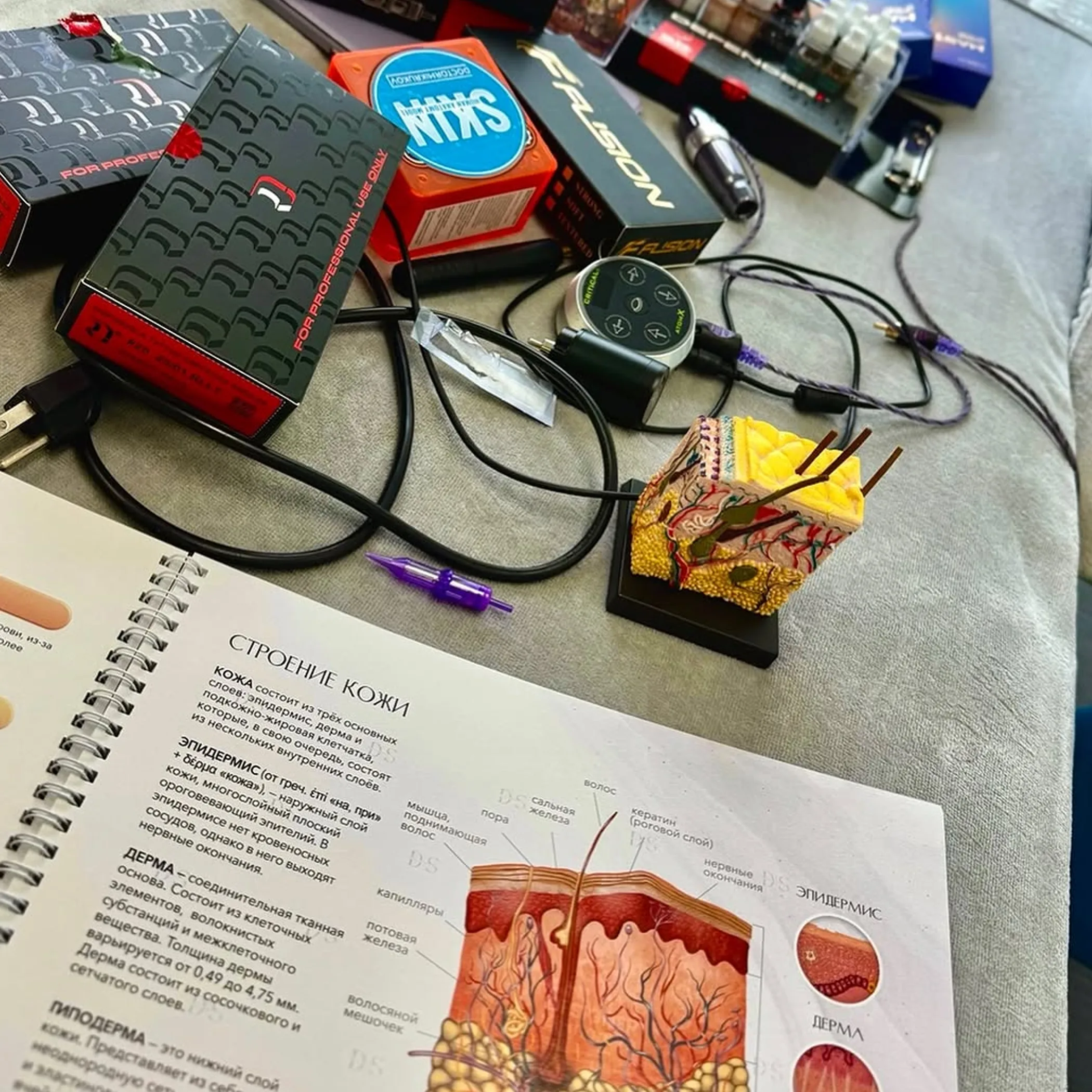
You would be wise to decide what you need from a course before you start making comparisons. It seems self-evident but many will go by price and find they have put money down on a format or technique that is not right for them.
One student may be looking to put brows on the menu at an existing salon; another is after a full cosmetic tattooing course Australia route to establish a business. Think of it as a run up the Stuart Highway: if you have no destination in mind, every detour is a temptation and some of them will put a dent in your wallet.
What Is On Offer
PMU courses will cover microblading, nano hairstrokes, ombré or powder brows, eyeliner tattoo and lip blush. But a good program also gets on with the unglamorous stuff that has more bearing in the long run: colour theory, skin anatomy, how to plan a touch-up, sterile technique, contraindications, consultation and aftercare.
There are options for an eyebrow microblading course Australia that are very much brow-centric. Other providers have a wider remit and put together a learning path in stages so you can grow into a permanent makeup career.
Who The Course Is For
A competent provider will not mince words as to whether the training is suited to a nurse, dermal clinician, a brow artist or a complete novice. Do not make the mistake of thinking a beginner-friendly offering is weak; often the stricter programs are better because they do not simply hand you a machine and wish you luck, they build the foundations.
Career Paths
Where you end up is a function of your confidence, local regulations and the amount of supervised practice you undertake. Some go on to open a studio, others to a position on a clinic team or to take over a treatment room. If you have an eye for long-term flexibility and the market is moving from manual microblading to the likes of powder brows and nano hairstrokes, then a permanent makeup course Australia with several modules is preferable to a single focus.
Non-Negotiables
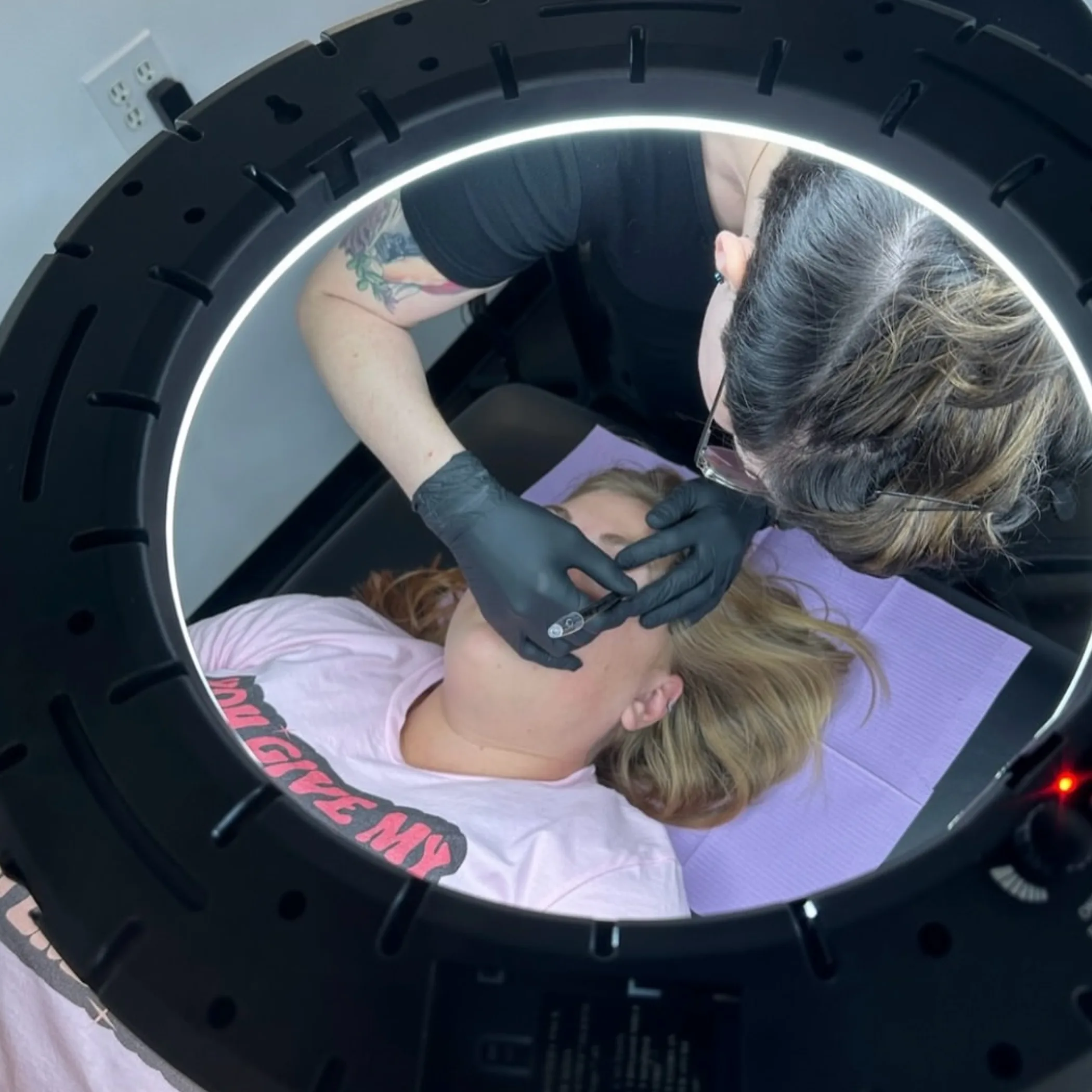
Fancy branding is of no consequence if they cut corners on the practical or leave you to it after the certificate photo is done. In my experience of people in any hands-on field, they are too apt to be sold on marketing rather than the curriculum. In PMU that is a recipe for trouble for the client and the practitioner alike.
Make Use Of This Checklist
- Course outcomes spelt out, down to the last technique
- Supervised work with a live model, not a mannequin
- Infection control and sterile technique as per Australian practice
- Trainer with a history of teaching and recent clients
- Assessment and competency units made clear
- An honest accounting of the permanent makeup course cost Australia: machine, pigments, refresher, model fees and the rest
- Some form of post-graduation mentorship or case review
- Details on insurance and setting up in line with the council
Learning Formats
More than most buyers would put stock in it, the format of the course is important. There is a place for the internet when it comes to theory, but PMU is a trade you have to put your hands to. No amount of video watching will give you the confidence to deal with pressure, depth, symmetry or how the skin reacts.
It is like trying to master reversing a trailer on YouTube. You may find it helpful, but it is not in itself sufficient.
Online Vs In-Person Vs Blended
For a beginner, in-person instruction is hard to beat. A good trainer will put right any bad habits with hygiene, hand position, machine angle and stretch as they happen. This is what most students want from a first foray into a cosmetic tattooing course Australia, particularly if there is live model work.
Then there is online-only. Fine for colour theory, skin anatomy, contraindications, business fundamentals and the like, but it is more suited to pre-course prep or a bit of revision after the fact than as an end in itself.
Blended options make for a sensible compromise. One can do the theory at home and put in an intensive practical block later. For those living in the regions it is a way to save on travel, though one should be realistic about the logistics. With a provider in Sydney, Melbourne, Brisbane, Adelaide or Perth, add in the cost of flights, parking, meals, time off and accommodation and a “two-day course” will run to four days away.
Practical Technique
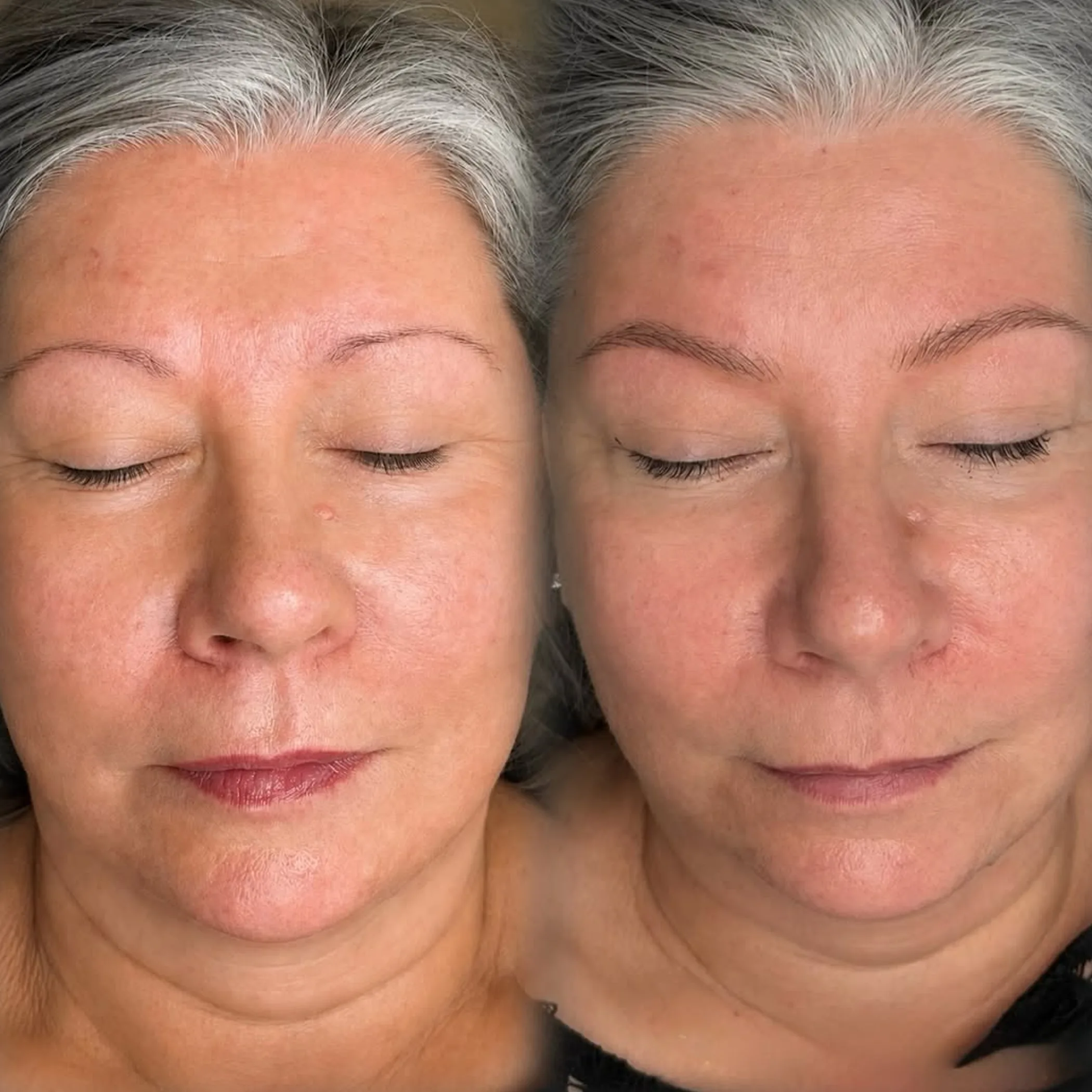
You will see some permanent makeup courses in Australia that are little more than a list of treatments. The better ones will explain why a given method is right for one client and not another; new artists tend to get in trouble without that knowledge.
Take expectation and reality. A student might fancy himself putting in a perfectly crisp brow by day two. More often it takes repeated practice under supervision to produce work that is safe and balanced.
What to look for in a curriculum
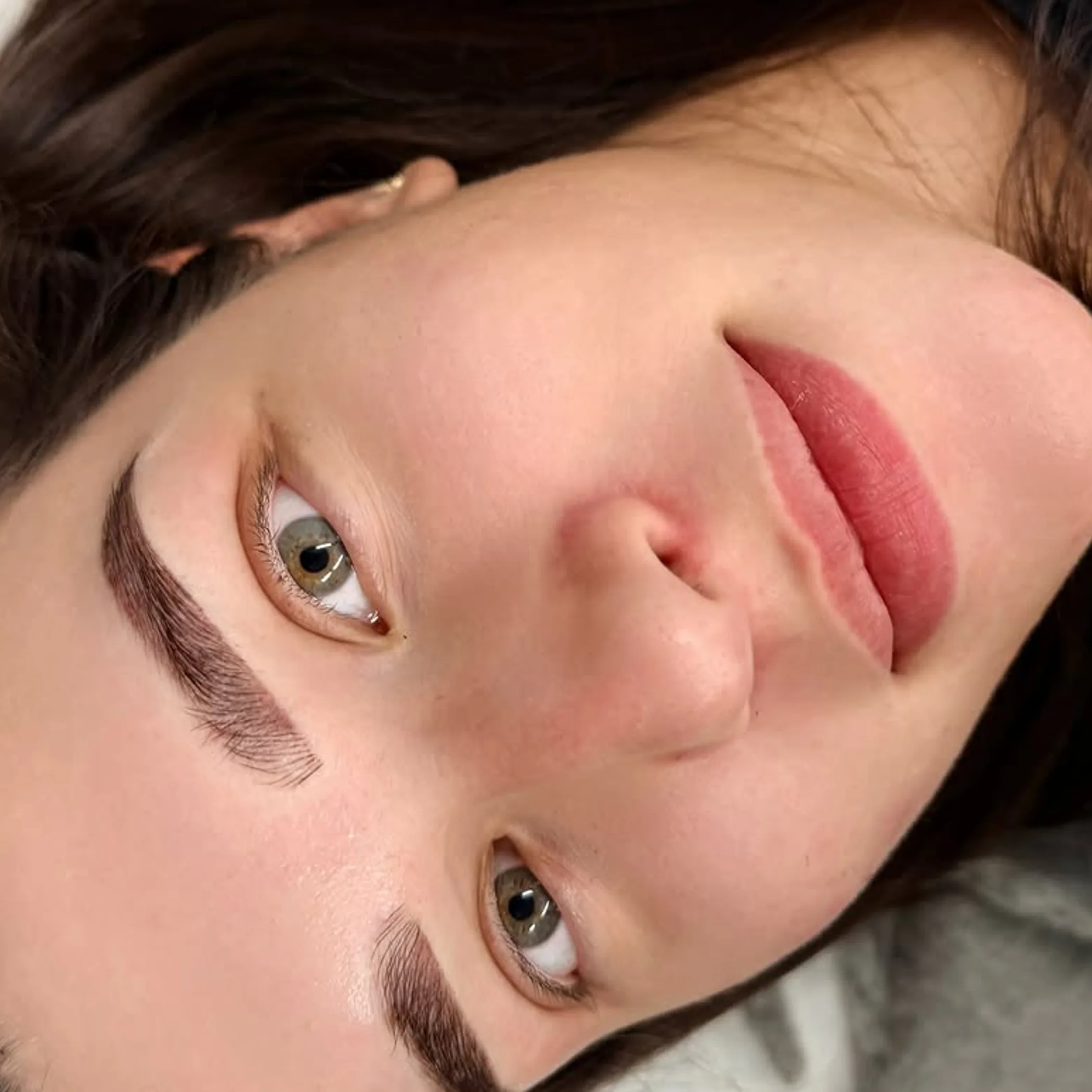
A sound program does not rest on superficial demonstrations. On the brow side that entails mapping, stroke flow, controlling pressure and depth, choosing your pigment and knowing what to expect in the way of healing on various skin types. Machine work should address cartridge and settings, trauma minimisation and the occasions to forgo treatment.
In a comprehensive permanent makeup training Australia offering you would expect to find microblading, nano hairstrokes, ombré / powder brows, lip blush and eyeliner tattoo. Be cautious of a school that has one style to suit all; clients are not sardines to be put in the same shape.
The value of a live model
Nothing says value like hands-on work with a live model. Practice mats and artificial skins have their part to play in the early going but they will not show you bleeding, sensitivity, oily or mature skin, asymmetry or the way a client moves once he gets talking.
Find out what level of supervision is on offer and how many models you get to work on, and if mere observation is considered practical time. With one trainer to a large class you can be left waiting around like so many coach passengers at a dunny stop.
Hygiene and compliance
Not as much fun as lip blush shades but it is what underpins a safe career. Lapses in hygiene can be quick to bring legal issues and put your reputation in tatters, to say nothing of the harm done to a client.
Rules in Australia are not the same across every state, territory or council. A reputable school will be open about the fact that finishing the course does not entitle you to operate anywhere.
Questions on Australian rules
Make sure the course deals with PPE, record keeping, patch testing, waste and cross-contamination, the disposal of sharps and infection control. And ask if they cover local council compliance and the approvals you will need where you intend to set up shop.
Safe Work Australia’s official guidance is a dependable way to get to grips with your wider duties in terms of work health and safety, even if it is not PMU licensing advice. See Safe Work Australia official guidance.
And if the talk turns to PMU course accreditation Australia, put it to them what that means in practice. Marketing will use “accredited” in a loose sense for CPD education or to suggest industry standards, yet it is not always a nationally recognised qualification. Get the details in writing.
TAFE and RPL
Some are drawn to TAFE for the structure and the name. But availability is often thin and the majority of PMU programs come from private academies. Not an indication of poor quality per se, but it calls for a closer examination of the curriculum and the results the students are getting.
For those in the beauty industry, it is worth inquiring as to whether Recognition of Prior Learning (RPL) is an option for any infection control or beauty competency units. While it will not do away with the PMU practical training requirements, on occasion it can be of assistance where there is commonality in the theory or compliance side of things.
Be a Discerning Student
You put stock in a trainer’s credentials because one learns judgement from them, not how to move one’s hands. A trainer might have a formidable social media presence and yet be quite average when it comes to instructing novices. The mistake some make is to equate popularity with the ability to teach; they are two different things entirely.
Vetting the Trainer
Check that the trainer has a history of teaching and is still out there doing treatments. You want to see healed results, not just the latest work, and an explanation of contraindications, corrections, what to do when retention is poor and other troubleshooting matters. Inquire into the state of the curriculum and if the methods are in step with what clients are after.
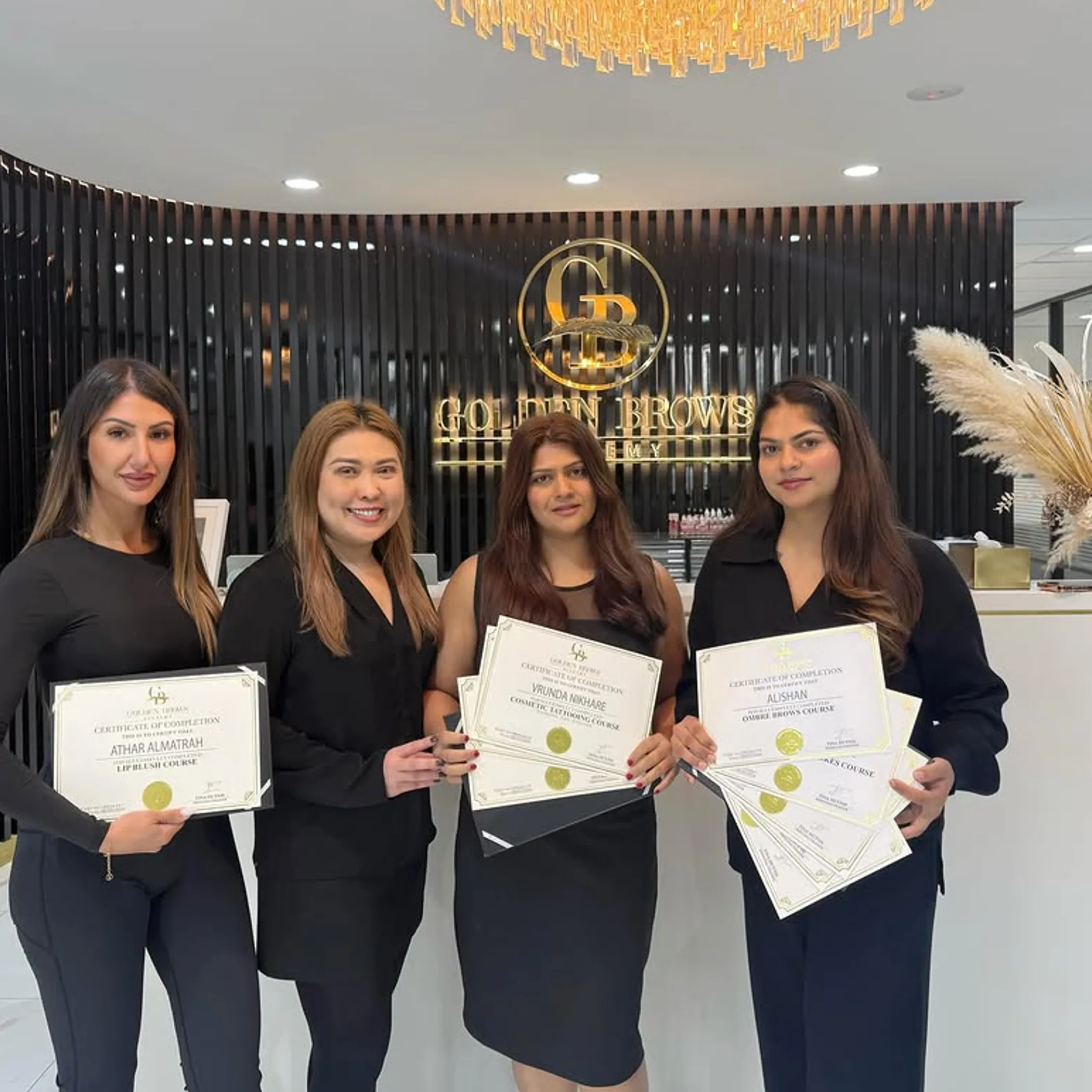
The same standard should be applied whether you are looking at Skinart Australia, Golden Brows Academy, iBROWBAR Sydney, Future Aesthetica, Tanya Beauty Care Academy, OHMYBROW, SCHB, Australian Beauty School, Lash and Brow Avenue or any of the rest. Do not let ring lights or a luxury fit out and some showy before-and-afters without the healed evidence to back them up cloud your judgement.
A Sceptic’s Eye on Reviews
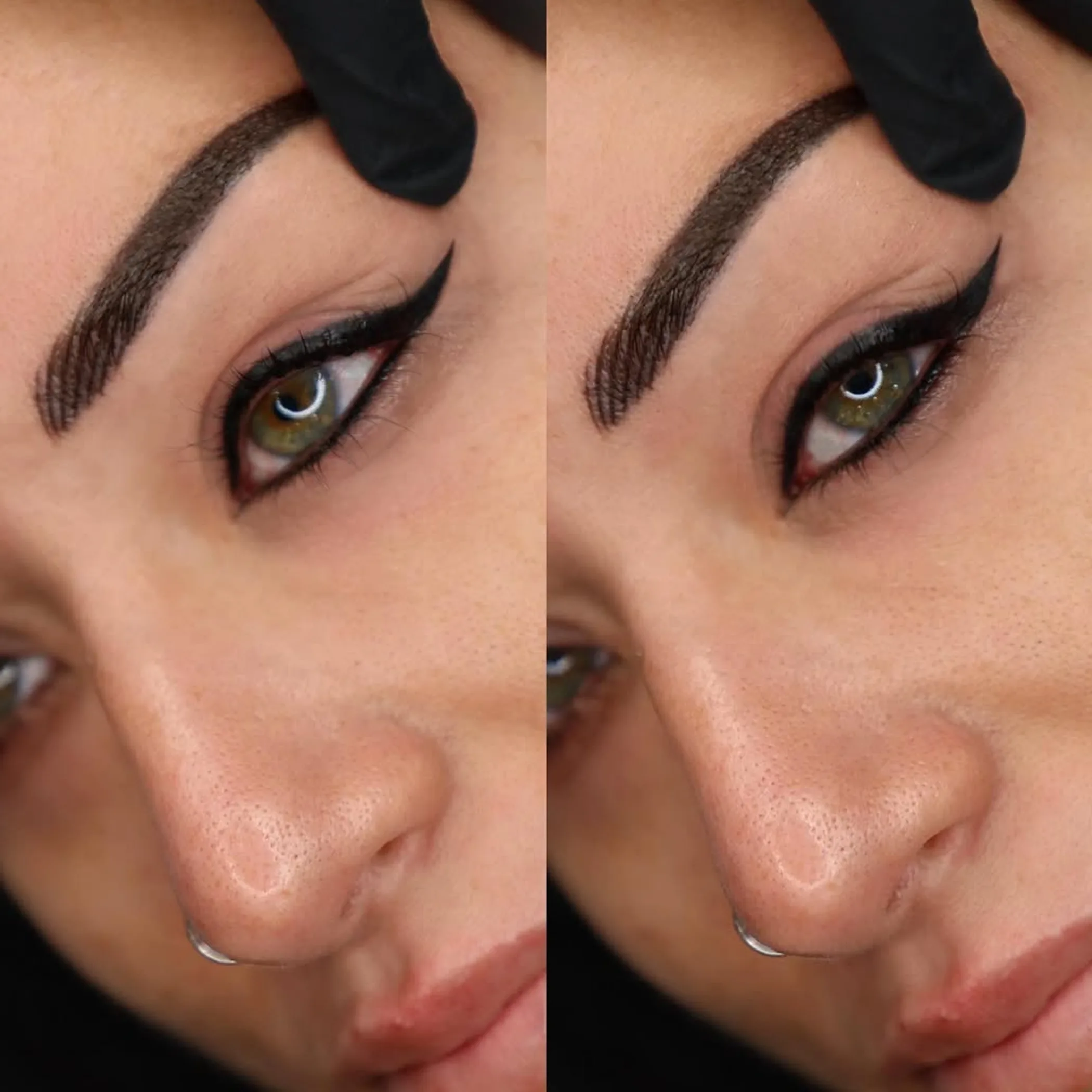
There is value in reviews but only if one reads them properly. One in-depth account of the class size, the support given to models and the trainer’s attentiveness and post-graduation reality is more informative than five effusive “loved it” type comments. As Hamish Lockwood would say, when they all seem to have been penned by the same cousin, dig a little deeper.
Good feedback from students will tell you about the supervision on offer, if the starter kit was in order, how much confidence they had once it was over, and if the provider was there to help when they ran into trouble with an early client. It is also a matter of outcomes: are the graduates putting out healed work and conducting themselves professionally months down the line? Are there case studies of progress or simply certificates being handed round on the last afternoon?
Consider the Entire Cost
In the end the cheapest course may well be the costliest if you have to put right its omissions later. And a high price tag is no guarantee of quality. You need to weigh up the total value rather than the figure on a booking page. This calls for a quiet coffee and some thought. Permanent makeup course costs in Australia are all over the place according to location, the technique, the provider and so forth.
Get the pricing for an eyebrow course in writing and see what is covered. Some will give you the machine, pigments, mapping tools, PPE, a kit, manuals and even refresher sessions. Others will want payment for almost anything beyond the deposit. Then there are the realities of travel, parking, meals, insurance, council approvals and setting up a business. For those making the trip from a regional area to the capital, factor in an extra night for tight flights. It is false economy to put in flustered and miss the first block of practicals to save AUD 180 on a room.
| Cost Area | What To Check | Typical Buyer Risk |
| Course Fee | Deposit, balance due date, refund terms | A low headline price with add-ons to follow |
| Starter Kit | Machine, pigments, needles, mapping tools, PPE | Nothing to write home about for actual client work |
| Practical Training | Class size, models, how closely you are supervised | Insufficient time with your hands on |
| Travel Costs | Accommodation, fuel, flights, parking, meals | Short-changing yourself if the training is interstate |
| Aftercare Support | Mentoring, refresher access, case reviews | Left to your own devices when the course is done |
Aftercare is not to be overlooked
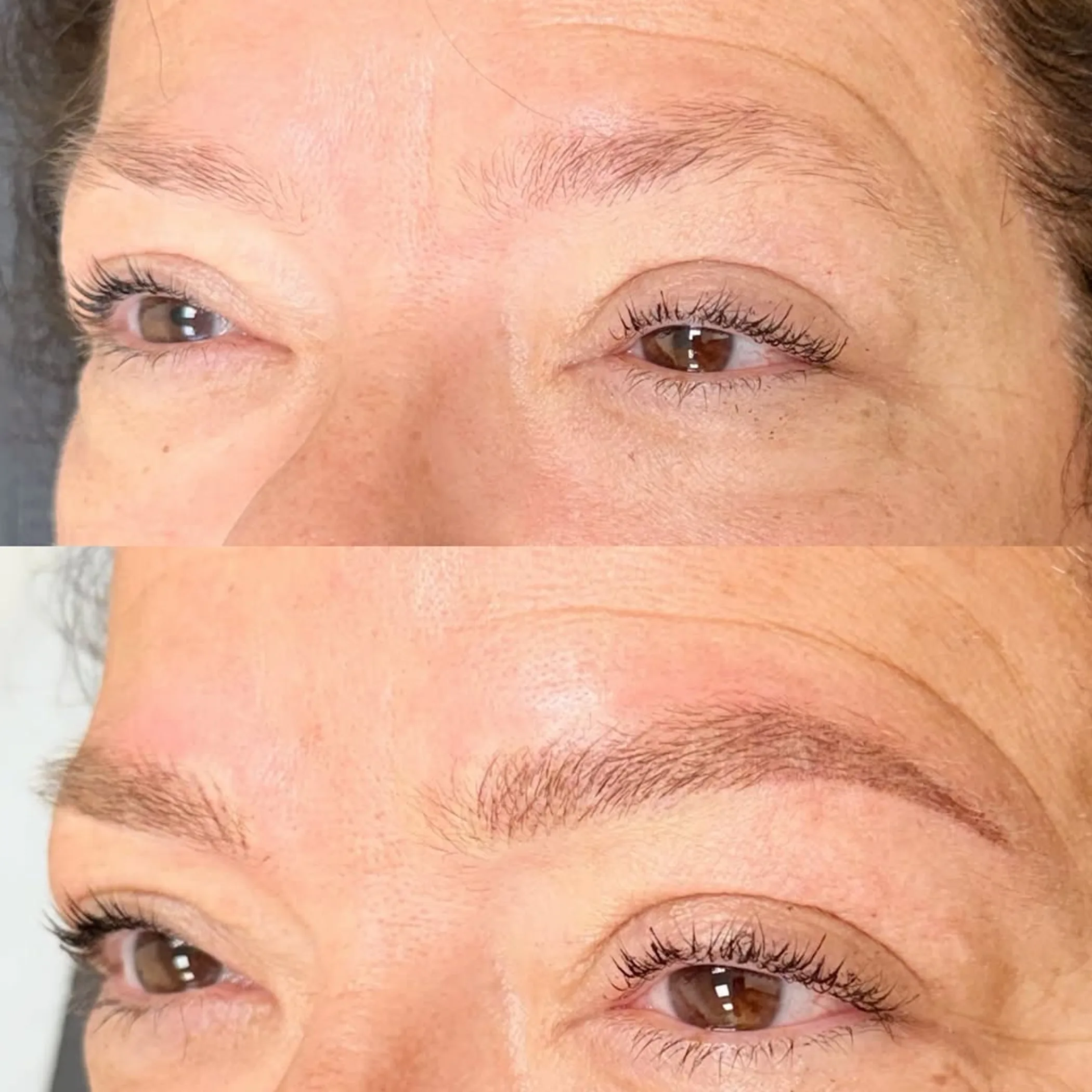
Once you leave the classroom your education in earnest begins. When a client has a patchy heal or cancels a touch-up, or you are sent a photo in the worst of bathroom light, you will be wanting some direction and not an empty inbox. A PMU course that provides business coaching, online group support or case feedback in the way of post-graduation mentorship is strong value and can warrant a steeper fee.
Who it is for
A PMU program of substance is for the patient sort who can abide repetition and the rigours of hygiene, building their skill in measured fashion. It is right for a beauty professional intent on adding a service, or a newcomer with the motivation to put in the practice. If one is after a quick buck, has no time for theory or thinks a weekend makes one ready for clients, then this is not the place to be. There is no getting around the fact that cosmetic tattooing is not for the faint of heart; it demands to be learned. Put down any sales pitch that would have you believe otherwise, it is all hot air.
Compare Local Study Options
Your training will be dictated in part by local rules and logistics, so where you put down your tools is of consequence. You might find a Sydney course is but a train or rideshare away, yet an industrial site out in the outer suburbs could mean a car and parking fees are a necessity. Then there are the peculiarities of transport in Melbourne, Brisbane, Perth, Adelaide or on the Gold Coast.
Make time for a campus visit or a video call with the trainer if you have a day to look at what is on offer; do not be content with a slick sales call. One wants to get a sense of the hygiene flow, the practice area and how a treatment is set up, not just make small talk at reception.
TAFE Vs Private Academies
Some will be drawn to TAFE for the formality of it, the scheduled assessments and the wider beauty grounding. A private academy will likely have you moving quicker and delving deeper into specialisation, with the latest techniques available at an earlier date. It is not a case of one being superior to the other.
Ask yourself which provider has the surest path from theory to a job well done. The logo on the wall is of less interest than the size of the class, the curriculum, the hours put in and the support you can expect post graduation.
A Smart Way To Decide
Enough of the hype. You need to make a clean decision. Put answers side by side and be direct in your questioning. I found in my days with tourism operations that a little unglamorous preparation made for the smoothest trips. It is much the same here.
Simple Selection Steps
- First, define what you want to do: machine brows, PMU in general or just brows.
- Put together a shortlist of two or four that suit you in terms of location, technique and the trainer.
- Get everything in writing, be it the full curriculum, model information, pricing or the terms of support.
- Find out what “accreditation” amounts to and check on their compliance and hygiene training.
- Have a good look at healed work from students and enquire as to the support once the course is over.
- Before coming to a decision, add up every cost in AUD, travel and consumables included.
Frequently Asked Questions
You will hear these from those who are on the cusp of booking yet remain unconvinced. Understood. Might as well put your mind at ease before the deposit is gone to the wet season.
How does one go about choosing a permanent makeup artist?
Check the aftercare advice they give, the quality of the consultation, hygiene and healed results. Inquire as to their training in the techniques in question, their insurance and how they put right uneven healing or corrections. A practitioner with a realistic demeanour is preferable to one who vouches for perfection.
What are Australian makeup artists making on average?
It is hard to put a figure on it given the mix of self and employed roles, the hours and where you are. Permanent makeup practitioners in particular are not easily compared to the rest when you factor in overheads and business models. Do not let some marketing numbers sway you; pick your training for its quality and fit with the market.
Starting a permanent makeup business?
Do not take on paying clients until you have seen to the council requirements, insurance, consent forms, your workspace and put in some honest practice. Build your portfolio in measured fashion. Those that endure in this line of work run a disciplined service business, they do not put their hopes in a side hustle.
Is online learning an option for permanent makeup?
For theory, yes, and it has its uses. But you cannot put off hands-on supervised training for the practical side of PMU. A beginner in Australia looking to work safely would be ill advised to take a course that is entirely online and without live assessment.
On the best first technique
Brows are a common starting place given the demand and the well trodden path, though some will go for microblading while others powder or machine. In the end it comes down to your trainer and the market. Go with the technique that is taught with proper oversight of the model and in a safe and thorough manner.
Choose Like A Professional
When it comes to picking a permanent makeup course in Australia, you are after one that will instil good habits and see you improve even after you have left the training room. Be professional about it. Ask the hard questions and compare the depth of the curriculum, the cost in AUD and the quality of the practice on offer.
Take this from Hamish Lockwood, should one thing of what he has to say stick with you: put in for the kind of training that will stand you in good stead on a run of the mill work day rather than one designed for a high profile launch. Proper training is in some ways comparable to an old motel you can count on and its metal room keys; it is not the most vocal about it but when called upon it gets on with the job at hand.
