There is a simple truth to any Great Ocean Road winter weather guide: the coast in these months is quieter, moody and at times brilliant compared with summer, yet it will be more tiring, wet and cold than most put down to their expectations. For anyone planning a visit, it’s essential to learn about Great Ocean Road winter weather guide. One has to be prepared for rough surf, low temperatures in the day, wind chill and rain as well as slippery tracks and the odd road disruption when driving or walking the road. Not to mention having to put in the work to warm up and see to your gear once you are done.
I am Hamish Lockwood. The unvarnished view is that the Great Ocean Road in winter is for the traveller who is not averse to altering his plans, puts on some thermal layers and makes time to drive. You should consider aftercare an integral part of the journey and not something to be put off. When the day is over you look after the vehicle, the camera kit, jacket and boots. For those wanting the practical side of a Great Ocean Road winter weather guide, you will find it here.
Winter On The Coast
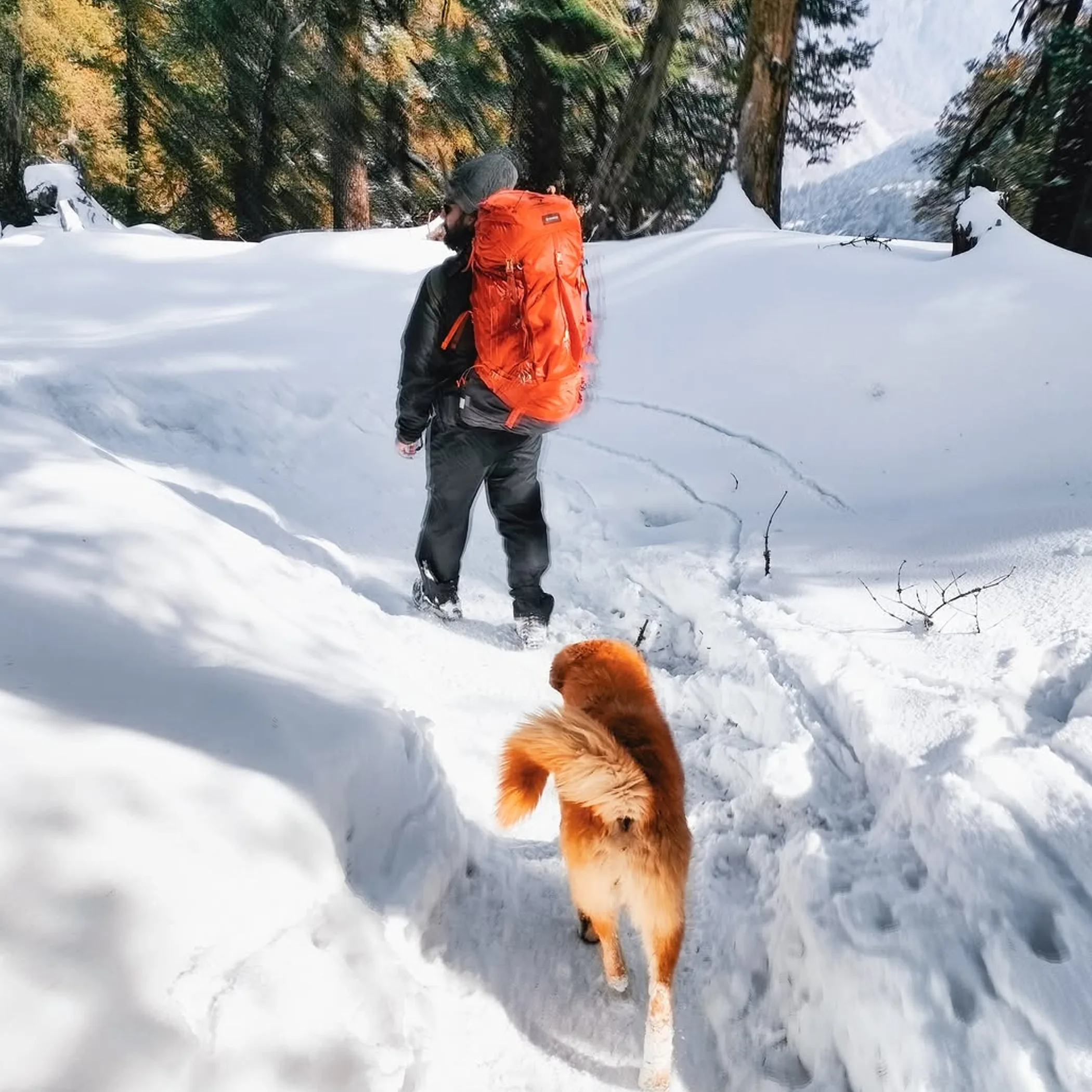
A certain drama is hard to miss on the Great Ocean Road in winter. The sea becomes properly grumpy, the cliffs are darker and ten seconds is all it takes for the wind to put an end to any romance at a roadside halt.
Then there are the advantages. There is a wildness to southern Australia one can appreciate, parking at the big lookouts is no trouble and the odds are better for whale watching season in some stretches of the Victorian coast. And you will have the place to yourself.
What It Is Like In Winter
Do not be fooled by what the forecast says. A 10 to 14°C day will seem a good deal colder when the coastal winds and spray are on you. At the clifftop lookouts or around the Twelve Apostles it is the wind chill that gets you, not the temperature in the air.
Head inland to the Otway Ranges and things are more enclosed, darker and wet; the forest retains its moisture and shaded surfaces are slick for longer. In Apollo Bay the weather has a mind of its own and can turn a dry lunch into an afternoon of sideways rain before you have even put your pie away.
The Weather That Counts
Asking if it is cold in winter is a moot point. What you want to know is what is going to affect your plans for the road and your recovery from it. Rainfall and wind, the state of the roads and how much daylight you have left will be of more concern to the majority of travellers than a perfect forecast. With shorter days in winter, safe arrival and where to stop are dictated by the hours of light.
Typical Conditions
In coastal Victoria you can expect cool days, heavy showers and strong gusts to come in off the Southern Ocean. The pattern is evident enough: the roads are damper, visibility is prone to dropping and the exposed lookouts are no warmer than the inland towns.
| Area | Typical Winter Feel | Main Issue | Time Well Spent |
| Torquay To Lorne | Cool and windy with changeable showers | Coastal gusts and wet roads | Careful stops at the short lookouts |
| Apollo Bay | Breezy, damp and cold | Low comfort out in the open, rain bands | Fuel, a meal and to reset your layers |
| Otway Ranges | Shaded, wet and cold | Mud and poor light on the tracks | A walk in the forest with the right gear |
| Twelve Apostles Coast | Raw and windy | Rough conditions and wind chill | Whale spotting, some photography and a quick scenic stop |
People make the mistake of thinking the rain is the chief worry. More often it is the coastal winds and swell that present a problem for your comfort and safety; they will soak your clothes with spray and bring your body temperature down in no time, making a spell outside anything but pleasant.
Matters Of Timing
One does not want to be trying to fit the whole route in on a single day as though it were summer and flat as a pancake. Add in the weather, the wet roads, slower moving traffic and the desire for a hot drink and your travel times in winter will be more protracted.
Many on a self-drive from Melbourne do not give daylight its due. Make a late start and put in a run to the Apostles and back in one go and you are in for a long and weary return. There is a time in winter for a well directed effort rather than the kind of day that is little more than a heroic shambles.
Big Risks To Respect
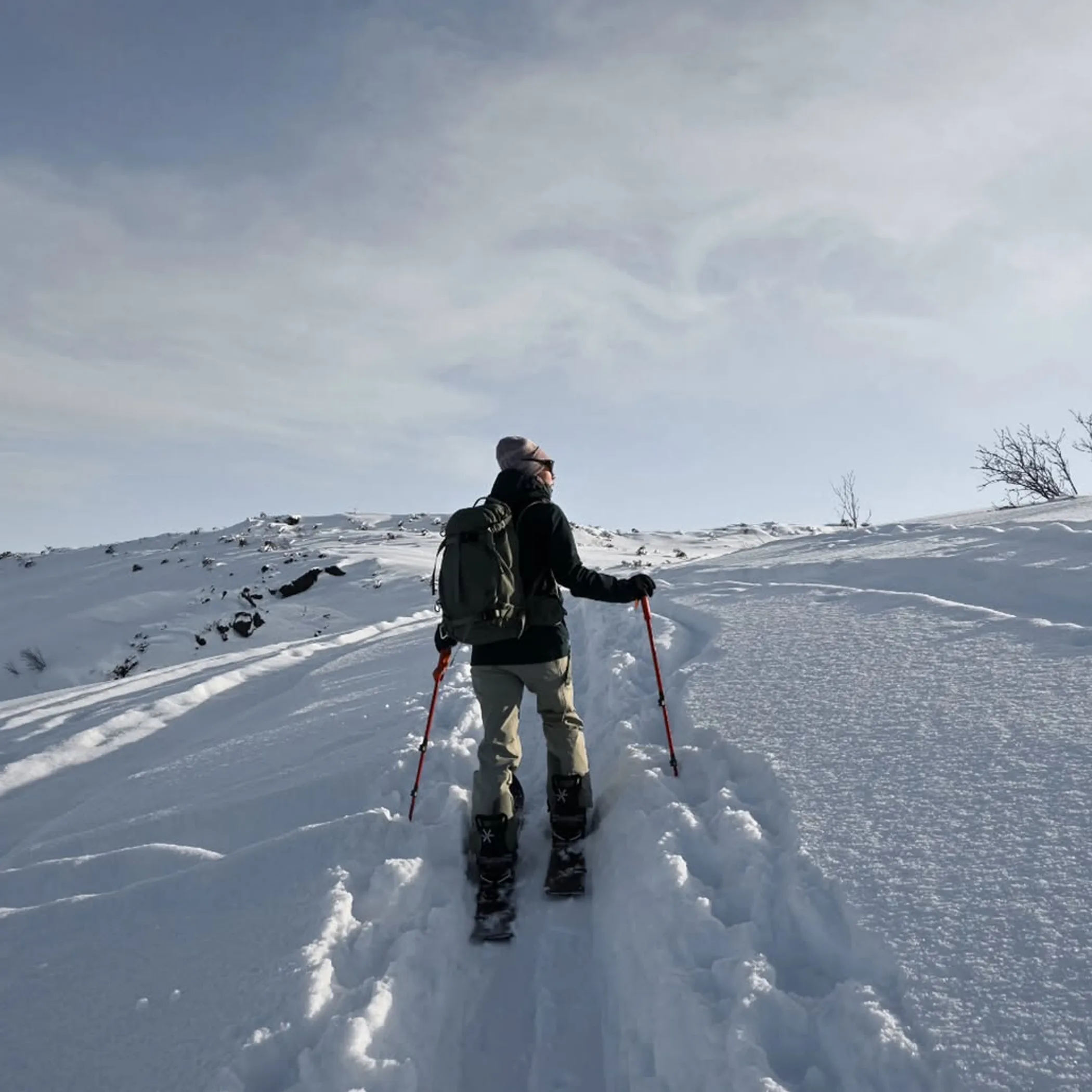
Optimism has its place but here practicality must have the upper hand. The Great Ocean Road in winter is not a cause for panic so much as an exercise in knowing what will make a short walk or drive along the coast a hard afternoon.
With some early preparation and a degree of flexibility most problems can be avoided. It is when you put on clothes for the car heater instead of a clifftop track that things go awry.
Cold, Slips And Exposure
Even on a brief excursion one should be mindful of hypothermia. You do not have to be in alpine country to find yourself in trouble. Should you see someone who has gone quiet, is shivering uncontrollably or seems uncharacteristically slow and clumsy in their movements, put a stop to it and get them warm. Dexterity is the first thing to go. Wind and damp are the usual culprits.
Winter hikers on the Great Ocean Road put in their share of slips, on the mud of a lookout or timber stairs and in the shade of an Otway Ranges track for instance. Then there is the matter of blisters; friction from wet socks can put paid to the next couple of days of your trip if you are not on top of it.
Storms And Road Disruptions
Road closures Victorian coast conditions can occur after storms, high winds, fallen trees, slips or planned works. That does not mean the whole route shuts, but sections can be affected and detours may add serious time. Check current warnings through VicEmergency official incident and warning information before departure and again during the trip if conditions are unsettled.
Some would have you believe in a neat ribbon of scenery with easy turn-offs. In reality, a pull-over in winter can be wet and tiring with only patchy visibility. It calls for patience over glamour.
Pack For Comfort First
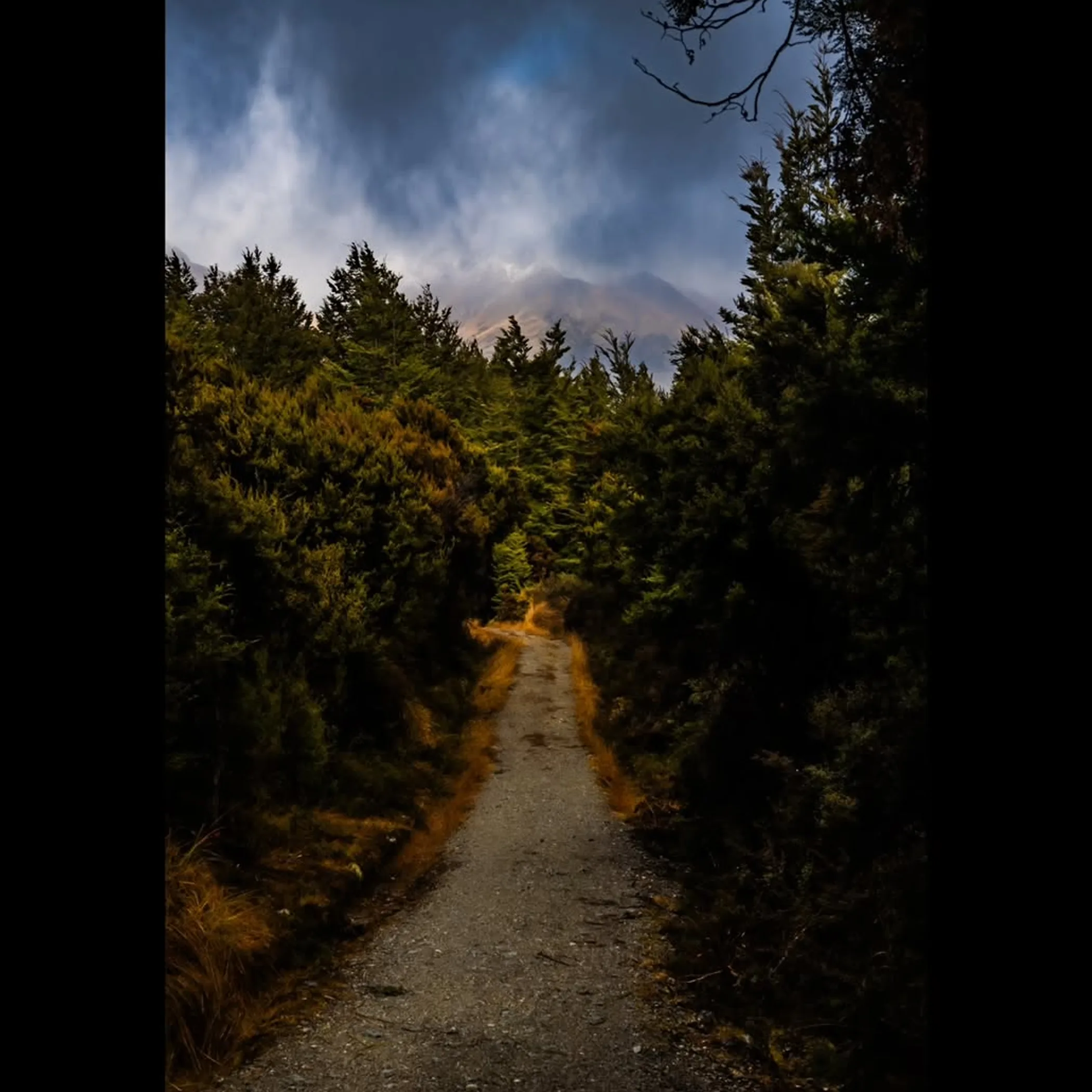
You will either feel invigorated or you will feel the weather has had its way with you, depending on your kit. Do it right and the elements are just part of the story; do not and every stop is a shorter, more irksome affair.
Hamish Lockwood has a simple rule: pack for bad weather while standing still, not merely the walk from the car to a vantage point. Plans have a way of changing, cars will let you down and rain will find you.
- A thermal layer, fleece liner and an outer jacket that is truly waterproof
- Sturdy shoes with grip, a beanie and gloves, plus a second pair of dry socks
- Dry sacks or a bag to keep electronics and spares from getting wet
- Phone power bank, thermos, water and snacks, a basic first-aid kit
- Something like a microfibre towel for the camera and boots
- And in the vehicle a check on the tyres and demister, windscreen wash full and a bit of fuel to spare.
What To Wear On Foot
Cotton is no use at all once it is wet on the Great Ocean Walk or other tracks. Wear quick-drying trousers over your thermals and put on a fleece or insulating mid-layer before your shell. Steady rain makes waterproof pants a form of comfort insurance, not an excess.
Drying out wet boots is harder in winter than one might think when you are putting up somewhere else each night. A set of spare insoles is worth having, they are nothing in weight and put a better face on the morning after.
Drive Smarter In Winter
All the same, the road is scenic. But in winter the calm driver is rewarded, not the one in a hurry. Allow for greater distances between you and the car ahead and be prepared to forgo a stop if the wind or parking are less than ideal.
Those not accustomed to regional roads can be found concentrating on the ocean and neglecting the driving, which is how a hazard in the rain is missed or you run wide on a bend.
Realistic Logistics And Access
Whether coming from Melbourne to Torquay or making your way in from inland, a car is preferable for the control it affords over gear and warmth. Public transport is an option in places but not for a flexible day of sightseeing in these conditions. There are day tours but the daylight and weather tend to make them a rush in winter.
At the Twelve Apostles and the like you may find parking is not an issue in winter, though you will be met with wet ground and a good wind on stepping out. Put in the time for it: from Melbourne to Apollo Bay is a solid half-day when you factor in the weather and stops. Or from Apollo Bay to the western sites if you are making frequent pull-overs.
If You Only Have One Day
With a single day to spare, one has to make a choice: put the eastern leg to Apollo Bay first for a more even drive with time for food and a short walk, or head straight for the Twelve Apostles and put up with it being an all-day affair. First-timers in the winter months would do well not to attempt both in any proper fashion; that is when things get wobbly.
What you put at the top of the list will come down to how much driving you can stand. The Lorne to Apollo Bay part of the road has less fatigue to contend with and better scenery. But if you want the kind of coast side spectacle on offer at the Twelve Apostles end of the route in winter, you will have to make room for it.
Warm Up Properly After
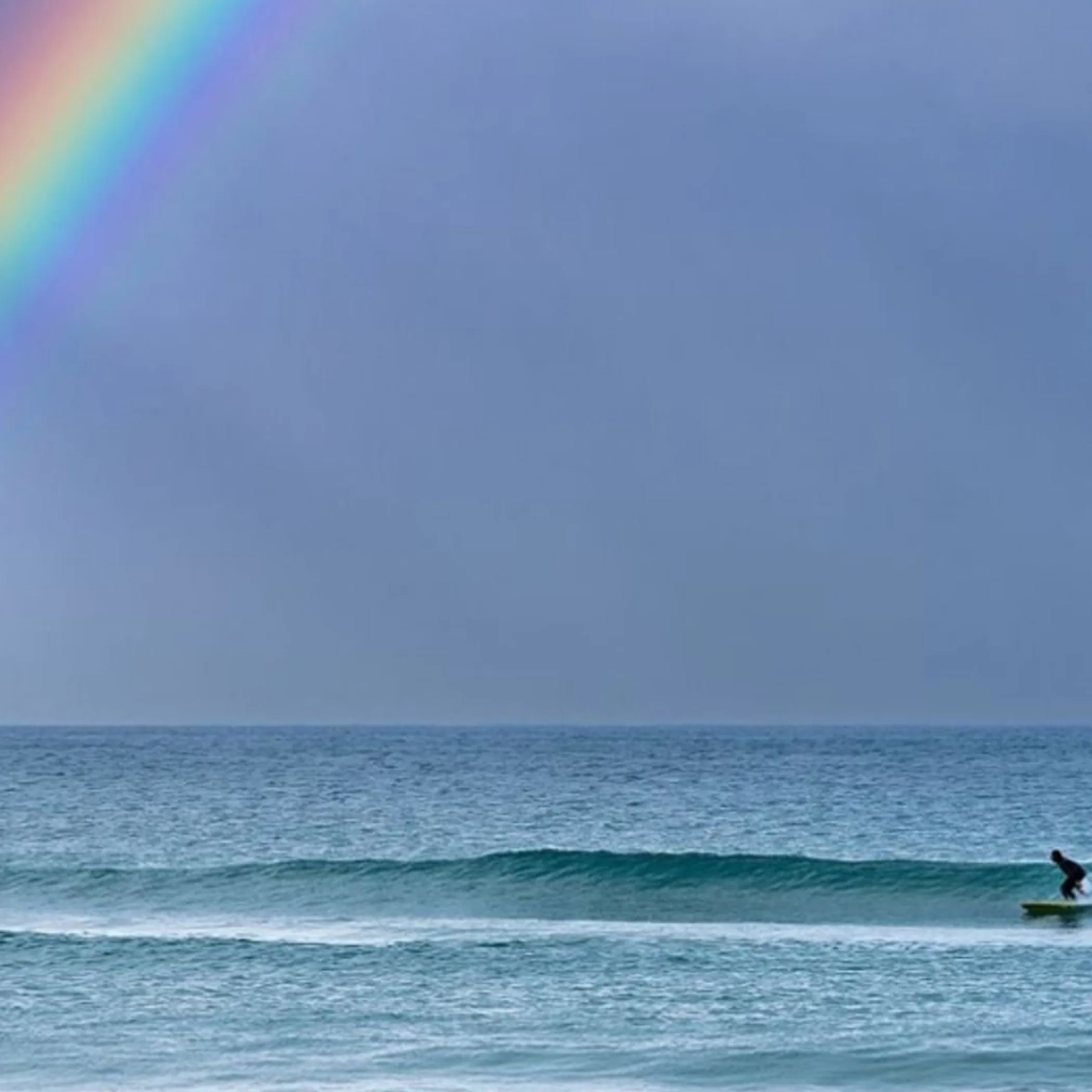
Aftercare on the Great Ocean Road is something you should be at once you are done. Many a traveller will be found shivering in his room and then asking why he is still feeling the effects hours on. One wants to recover in a measured way, rehydrate and see to being dry before the body seizes up. It is not about being warm per se. Get at cold exposure early and the rest is simple.
Immediate Body Recovery
Put away the wet clothes as a matter of course. Put on some dry layers, have a decent meal and a warm drink instead of thinking a biscuit is going to fix it. A hot shower is fine so long as you are not chilled through and do not go overboard with the temperature and make yourself light-headed.
Once you are inside after a day of walking, prop your feet up for ten or fifteen minutes to take the edge off the swelling and tiredness from the odd track. Any blisters or hot spots should be made thoroughly clean and dry.
What Most Travellers Ignore
Hydration is what most people overlook. The cold is deceptive and you will not feel like drinking after a wind and rain walk, yet with the heater air and a long drive behind you and some salty takeaway, you could be as flat as a pancake by morning. Water is no less important in winter. Then there is the stiffness in the lower back and shoulders from hunching against the elements or a few tense hours at the wheel. You will be better for a good stretch and sleep than if you were to cave in on the bed in damp socks.
Clean Gear Before It Sulks
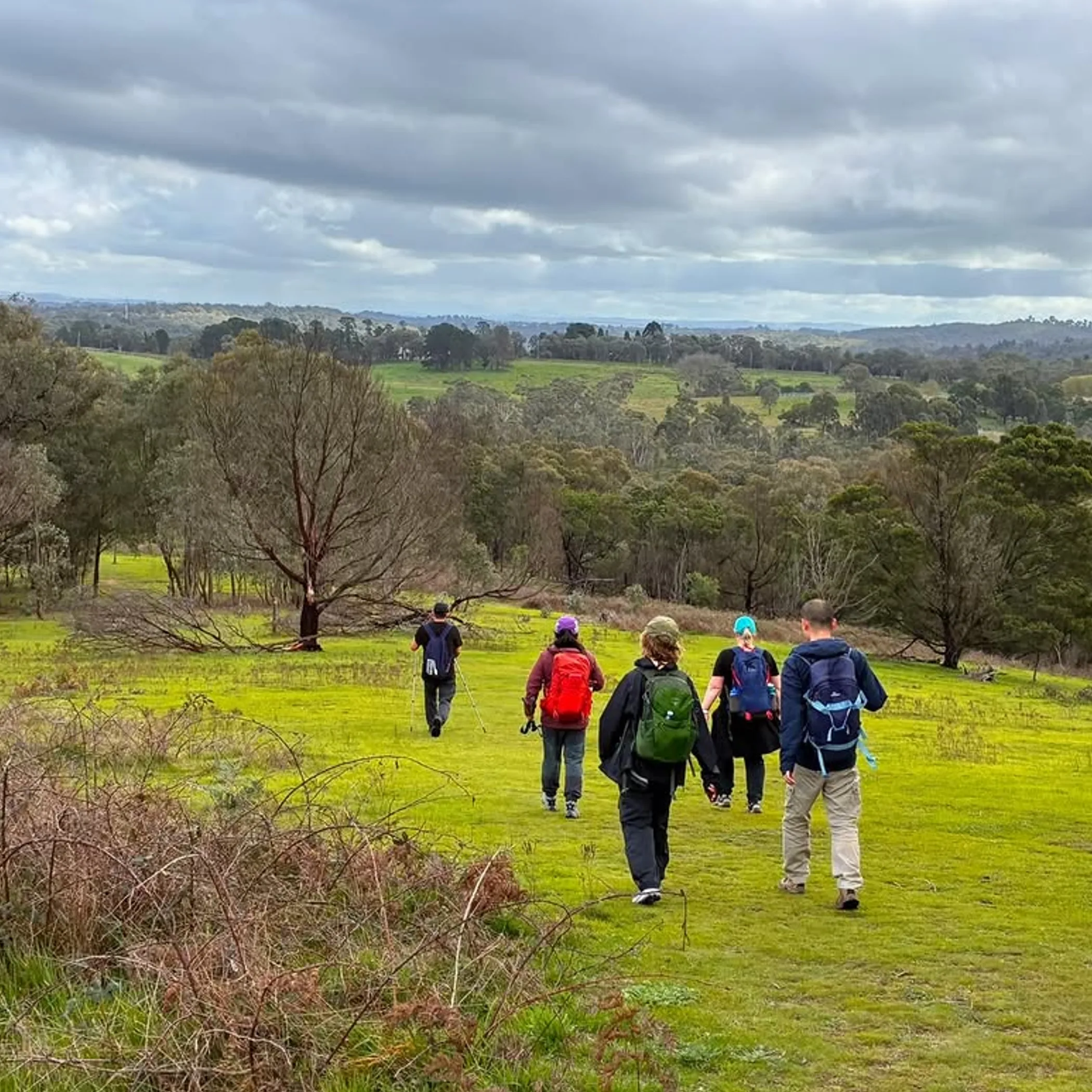
It is not exactly glamorous to look after your gear but it is economical. Salt spray and condensation are the sort of quiet things that will wear out your equipment. Do the unexciting work now and you will thank yourself tomorrow.
Boots, Jackets And Packs
Wet boots should be left to dry in a ventilated place, laces undone and insoles out. Paper in them will draw the moisture. Do not put them to the heater to bake, you will warp the material and adhesives. Wipe the mud and salt from a waterproof jacket and let it hang open; only give it a wash if the instructions say so and reproof later should water cease to bead. Empty your pack for the seams to dry.
Vehicle And Camera Care
If you have been making use of unsealed shoulders or pull-overs with a lot of spray, salt corrosion is a fact of life. Give the vehicle a rinse where you can, the lower panels and wheels in particular. Inspect the wipers, winter grit will have taken its toll. Camera equipment is another matter. Allow the lenses to return to room temperature of their own accord to avoid condensation. Clean the tripod legs if they have been in the sea spray; put a wet one in the boot and you will be sorry for it.
Recovery Beyond The Motel
A pub meal and an early night in a dry room is aftercare enough for some. After a few days of the winter weather on this coast, others may require more in the way of recovery. The region is accommodating to those who wish to put the brakes on. Should your plans permit, a detour for some regional wellness or a massage in one of the larger towns is an option, as is a quiet foreshore walk the following morning. In the winter one should leave guided recovery walks to be of an easy nature and at the mercy of the weather. Now is not the time to put your knees to the test.
When you have in your party young children, older relatives or those prone to the cold, make sure to factor in some indoor stops. You will find a winter road trip with its warm meals and shorter forays outside to be a more pleasant affair than one where you are crammed in like sardines on end for the lookouts.
Trusted Local Alerts
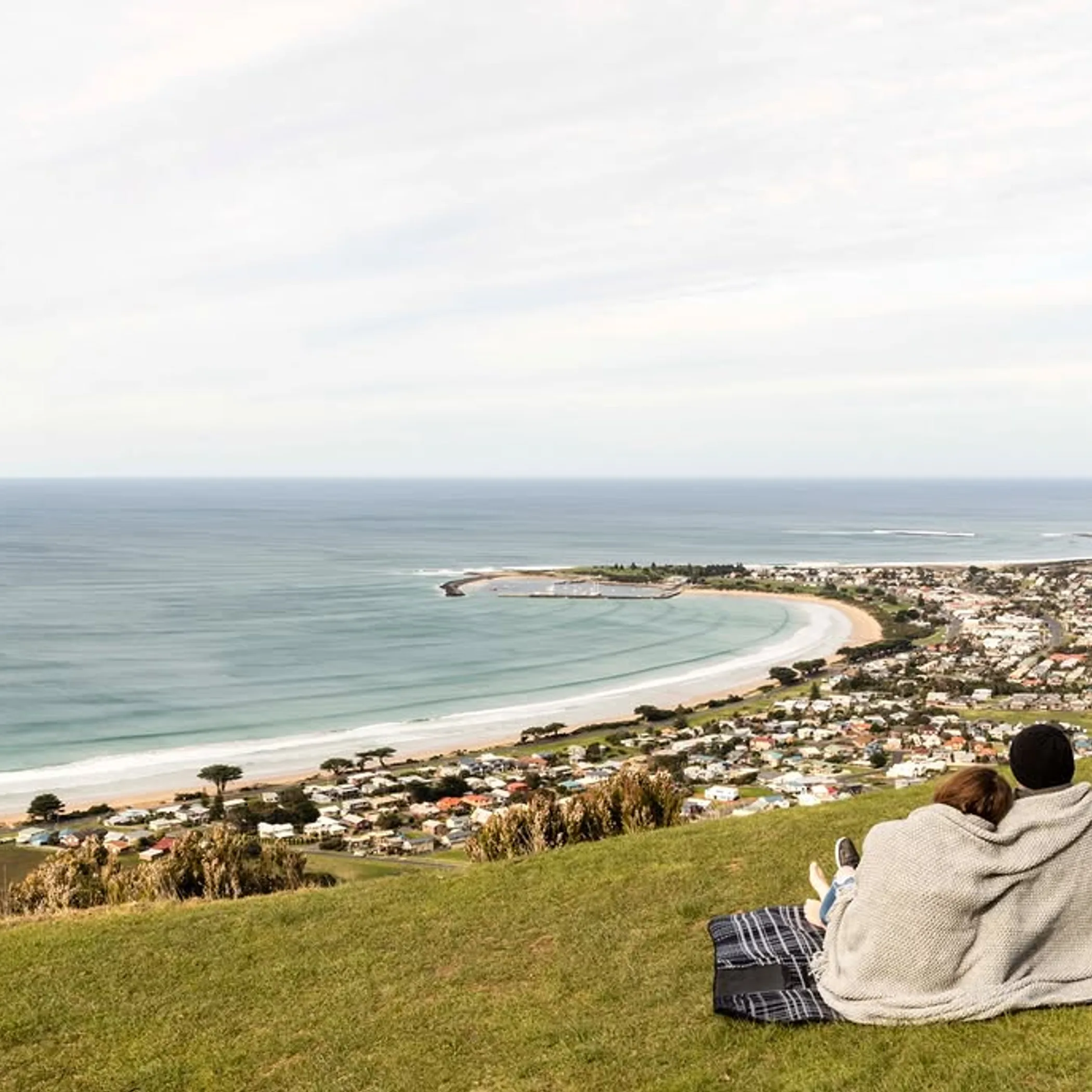
The traveller who is in the habit of verifying conditions on more than one occasion is well rewarded in winter. A single glance the night before will not do if there are fronts about.
Combine your check of the park, road and weather. It may be that a lookout is open in theory but the going is still miserable for your group.
What to consult before you drive
Use VicEmergency for warnings and incidents, and monitor official sources such as Great Ocean Road Authority, Great Ocean Road Parks and Great Ocean Road Conditions where relevant to route access, visitor advice and local changes. For rain bands, wind and fronts, pair those updates with the Bureau of Meteorology forecast for your section of coast.
Practicality is the rule when planning for a winter as things stand: do not take for granted that one section of the journey will be the same as the next; confirm your access and be prepared for change.
- Make a point of looking over the forecast and route conditions the evening before.
- Do so again come morning, particularly if there has been wind or rain overnight.
- Should you be on foot in remote country, let someone know the general line of your walk.
- And put in the bulk of your driving while you are fresh and there is still light.
Recover Better By Travelling Well
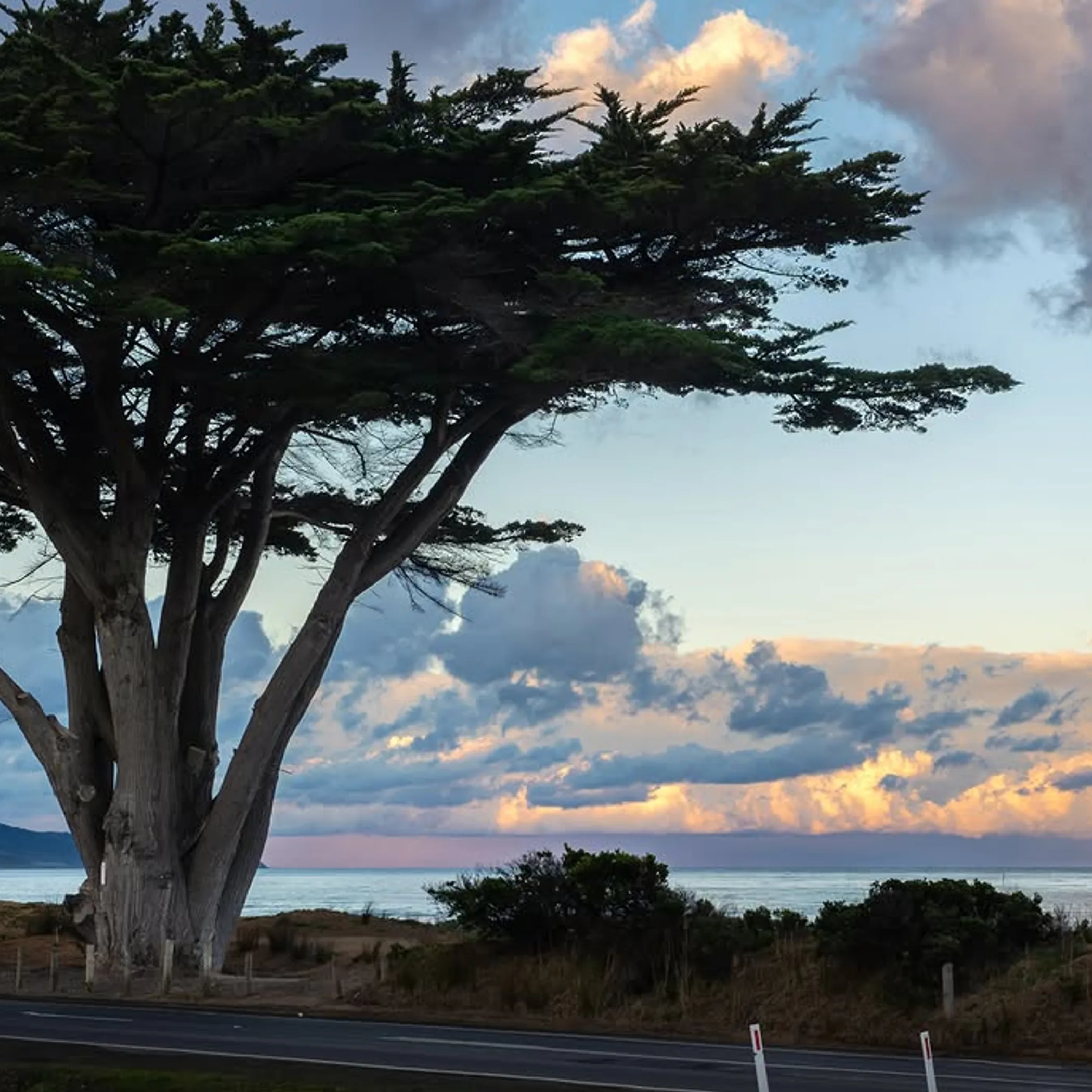
Treat the Great Ocean Road with some honesty in winter and it is excellent. The place caters to the type of traveller with an eye for a dramatic coastline and a bit of character in the weather, and for quieter stops. Those in search of an untroubled day on the beach or an ambitious schedule would be better off elsewhere.
I would say it is worth your while to make the most of a winter here, provided you have respect for the recovery and the conditions. Put on the right clothes, do not let your ego set the speed, get dry and warm early and give the trip room to breathe. That way you will not be feeling as rough as guts after a day on the coast.
FAQ
Sleeping in your car on the Great Ocean Road?
Do not think you can just pull in anywhere for the night. Land management controls, local signage and the type of rest area all play a part and the rules differ from one council to another. Rely on an official camping or accommodation option and see what the local restrictions are first.
When is the best time to make the drive?
A matter of preference. Warmer months are the simpler option for longer daylight and less trouble on the roadside. But winter has its rewards if you can plan for it; you get the whale watching, some moodier views and fewer people, albeit with colder and more capricious conditions and winds.
How many days to allow?
Allow two or three at least if you do not want to be in a hurry and wish to put in some short walks and have a decent meal. One day can be done but in the winter it is a long haul. For a slower stay in the region or some winter walking in the Otway Ranges, extra days are preferable.
Where is the most scenic spot?
You will not get a definitive answer and that is as it should be. The Twelve Apostles have a way of putting on a show with the winter swell. Over in Apollo Bay and the Otways you will find a different kind of beauty with the forest and the light. Want the classic picture then go west, otherwise vary your stops.
Is a beginner up to winter hiking?
If expectations are in order and the clothing is right, a short, maintained walk will do. But the underprepared walker would not be wise to tackle the more exposed or muddy parts of the Great Ocean Walk in these months. If your jacket is not watertight and your shoes are wanting, then keep it simple and of short duration.
