Any boater in Keppel Bay would do well to have a float plan, check the weather and show due regard for tides, wind and distance. The bay may seem inviting from the shore but one is not long in open water before it changes its character, especially in the vicinity of islands, reefs, channels or where the Capricorn Coast is exposed.
Hamish Lockwood has put together this guide to see you through to a safe launch, passage and return. There is sound advice here for the skipper, the visitor or family with a tinny, kayak or any recreational craft who would prefer their day out does not turn into an unplanned rescue operation. It also covers safe boat access to islands.
Plan Before Leaving Shore
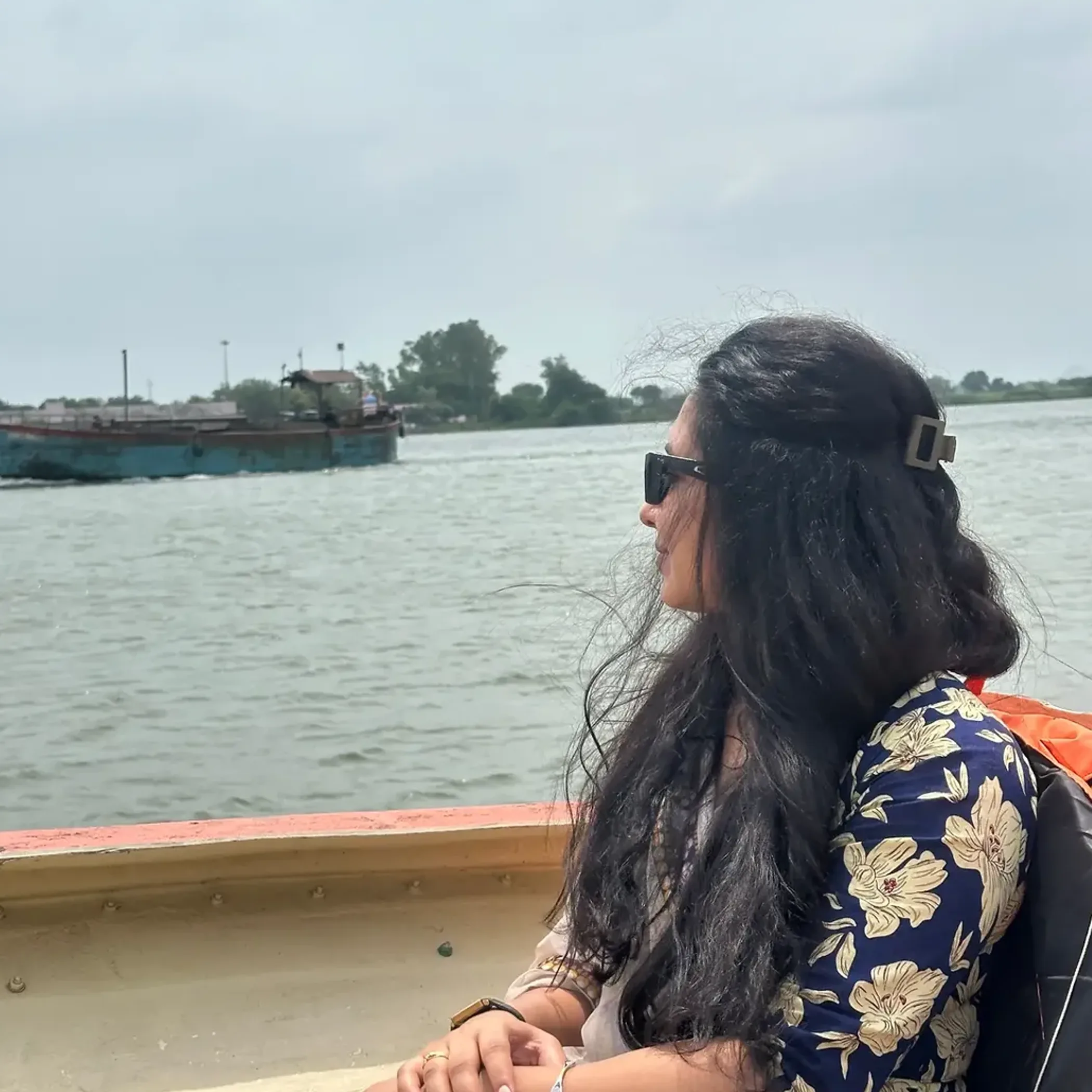
It is good planning that affords you some leeway when the weather is up, fuel is running down or a passenger finds out seasickness is more than an old fisherman’s yarn. So a trip should be planned properly before the motor is fired up.
Make sure you have looked at access conditions, the marine forecast and tide predictions as well as any official notices. The Queensland Government boating safety information will have what you need on requirements and safety.
A Float Plan Made Simple
Put pen to paper with your vessel details, where you are launching and heading, your route and expected time back and the names of all on board. Have the registration for the boat and car to hand, and emergency contact numbers. Leave it with someone you can trust on shore and let them know under what circumstances to sound the alarm. A paper copy is better than a phone screenshot; when a phone comes into contact with salt water it is no longer so clever.
Be realistic about your routing. What seems a short hop from the mainland to Great Keppel Island on the map can be elongated by wind, current, navigation and a leisurely passenger. Do not base your plans on top speed, but on what is safe to sustain in the conditions.
Get To Know Your Water Map
Treat the map of Keppel Bay as a working document. You will have to make different calls for the exposed water, the beaches, shallow parts and channels as you do for the mainland launch area. Put in markers for your return and any likely shelter.
An electronic chart is a help but should not be a substitute for your own eyes. Make sure it is up to date and set a shallow-water alarm, and have a torch to hand for low light work on buoys and the like. Do not be taken in by an island beach that looks easy to land on; a small boat can be put to awkwardness by rocks, surf or a shifting sand shelf. Access is a matter of the tide and the skipper’s eye for the approach as much as anything.
Conditions Dictate The Day
A morning at the ramp may look calm enough but the afternoon can bring a sterner return if the wind picks up. A prudent skipper will read the forecast for the duration of the trip, not just the first hour or so.
Wind Tide And Swell
Small boats feel the wind in a hurry. Tinnies and paddlecraft with children aboard will be made uncomfortable by a breeze that puts up short waves, or worse when wind is against the tide.
Then there is the question of depth and how much water is under your propeller. A high water route might be unworkable when the tide has gone. Mark the shallows and do not cut across water you do not know.
Swell will be there even with little wind. See what the trend is and have a look at the water at the ramp. If other skippers are altering their plans, find out the reason. They may have seen something the app does not put across.
Turn Around
Have a rule in place as to when you are done. Should the engine act up, visibility go or the wind get to you, or if a passenger is not feeling well, then you make for home. There is nothing inept about turning around early. A skipper who is not daunted by deteriorating conditions will be the one to admire himself for it, but such self-assurance has a way of vanishing with the first chirp of the bilge alarm.
When faced with severe weather, a thunderstorm, bad visibility or any warning that renders the route unwise, put off your plans. The Capricorn Coast can be at the mercy of strong weather and tropical systems; consult the official warnings and do not be guided by what the day was like yesterday.
The Right Safety Gear
Of no use in an emergency is gear stowed in a sealed box under the fishing tackle for the sake of order. Safety equipment must be serviceable, on hand and present to do its job. Inspect it all prior to a trip and put new in place of the corroded, damaged or past its date. Salt water has a patience of its own and will wear down a weak buckle, a rusty clip or an old battery in time.
Departure Checklist
- If the occasion calls for it, don an approved life jacket and see to it the children are properly kitted out.
- Have your communication devices to hand: a marine radio where appropriate and a phone in a waterproof case and fully charged.
- An anchor, bailer or bilge pump, rope, first-aid kit, torch, drinking water and spare batteries should be in the pack.
- Before you launch, give the fuel, oil, steering, throttle, navigation lights and bilge a once over, as well as the battery terminals.
- Make sure you have the necessary flares and know their operation.
- And some sun protection, warm clothing, provisions and something for the motion sickness.
Do not make the mistake of depending on a phone offshore; mobile coverage is unreliable in open water and around the islands. A marine radio is better for local traffic and weather reports, subject to your licence and the vessel.
People And Equipment
Eskies, camping and dive gear, fuel cans and rods need to be made fast so they do not turn into missiles when the boat takes a wave. Keep anything of weight low and in the centre. Instruct passengers to stay put when the boat is in motion, particularly in rough water or while turning. Tell them where to find a life jacket, how to work the radio and the procedure for a man overboard.
Make a head count before you leave and again after each stop. I have learned from my time in visitor operations that in the space of a few minutes people have a habit of vanishing from the group while another is under the impression everyone has come back.
A Careful Launch And Return
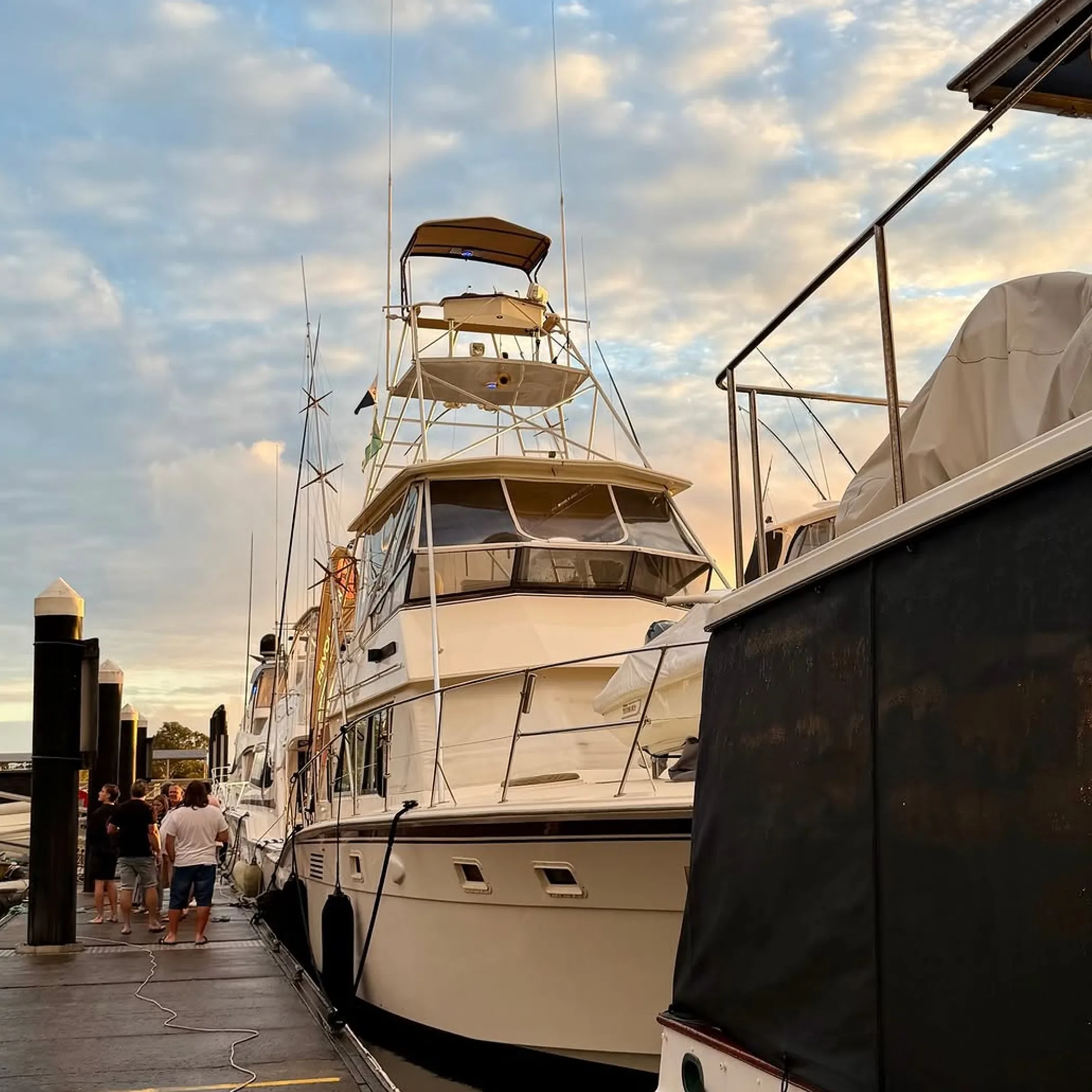
Ramps and car parks are a risk in themselves, being slippery and congested with folk trying to recall where the trailer plug was put. Do your preparations off to one side of the ramp if you can: load the loose things, check the drain plug, remove tie-downs and put on your safety gear. Observe the rules and signs and leave the ramp unobstructed.
Access Points
Stick to an official, well kept facility that is commensurate with your experience and craft. See if there is room for the trailer, what the lighting and toilet situation is and if the tide will allow it. Some may think any informal shoreline will do for a launch but rocks, soft sand and a falling tide can make an afternoon very costly. Once launched, get clear of the ramp for your final checks. Coming back, take your time and keep the boat in hand until it is secured, look out for swimmers and never block the way for an emergency vehicle.
Return With Time to Spare
You want to be getting back with daylight and a reserve of fuel and patience. Factor in extra time for the queue at the ramp, to rinse down and put the passengers and trailer away. Should the weather turn, do not put off heading back till the tank is nearly empty. That is a decision to be made in response to the conditions, not something you put at the end of a timetable from the comfort of home.
What to Expect Locally
Boating in Keppel Bay has its share of recreational hazards which can have dire results in combination. One does not feel in danger until judgement has been compromised by fatigue, the glare, dehydration or a tide in flux. It is the small things that catch most people, not a catastrophe: an anchor left unsecured, no water for the return or the presumption that a beach one knows will be the same at every tide.
Heat And Sun
Put on a good hat and sunglasses and lather up with high-protection sunscreen, reapplying after a swim or a good sweat. Even with a breeze to make it seem less of an issue, cover up and have regular drinks.
A skipper is not the only one whose judgement can be impaired by heat stress, passengers are susceptible too. So make allowances for shade and do not let a cold tinnie, however much it may suit the holiday spirit, get in the way of making sound decisions. Steer clear of too much alcohol and see that the navigator remains clear-headed from start to finish.
Wildlife And Water Users: Show Some Respect
There will be other traffic about, be it swimmers, divers, fishing lines, paddlecraft or boats at anchor; keep an eye out for them. You should put on the brakes in congested spots and near moorings, ramps and beaches.
As for marine wildlife, leave them be. Do not go after them, feed them or make a point of approaching. And be on the lookout for any debris in the water, especially when the weather has been up and down. Observe the signs and restrictions in place at protected places and around the beach.
One does not want to confuse a bit of curiosity with bad seamanship. To get close can put other boats, the animals and your own passengers in some danger. A pair of binoculars is preferable to putting the bow on something that has caught your interest.
Pick Your Trip
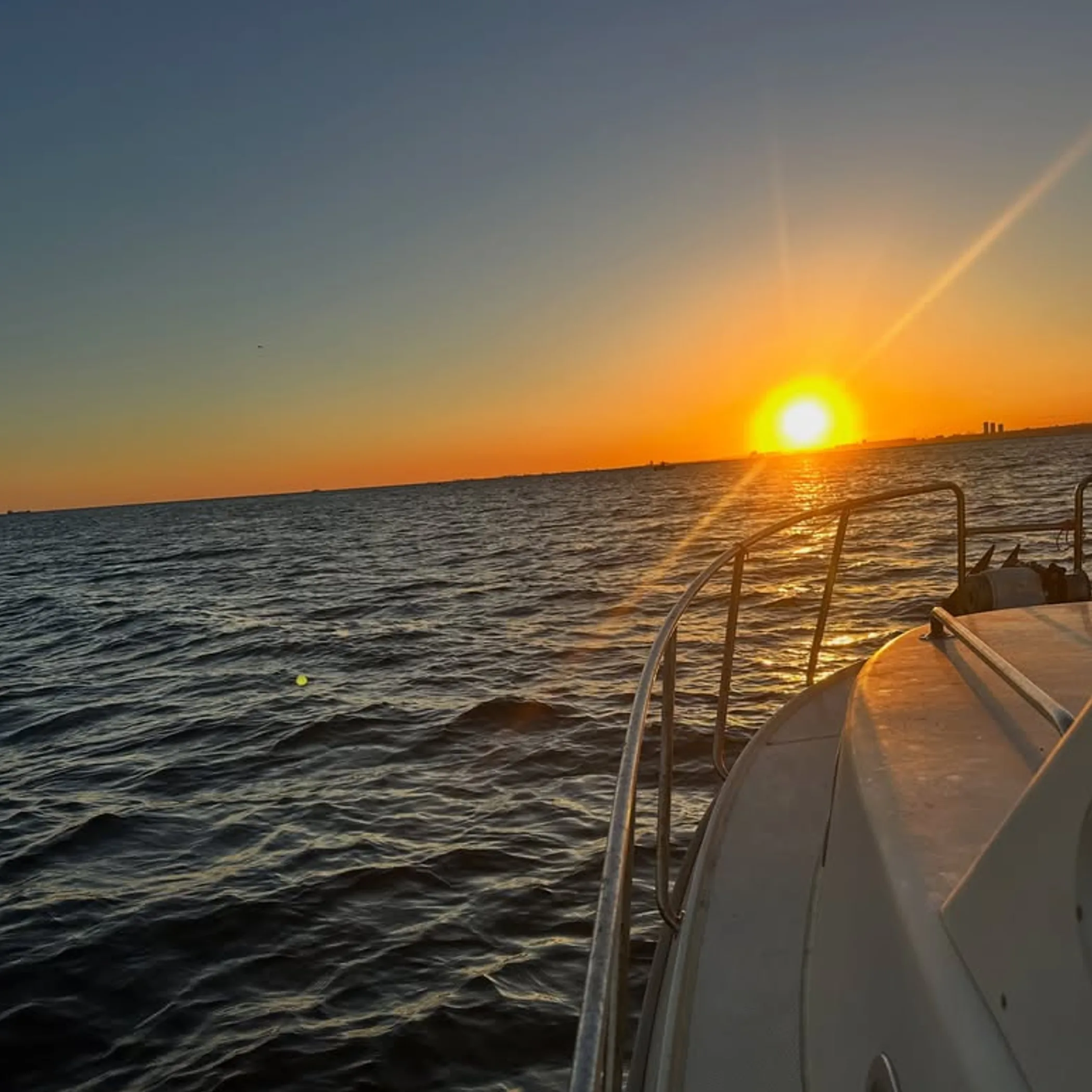
For the most part Keppel Bay is well suited to a visitor with a good local operator, a family that is prepared or an old hand at the helm. Not so much for those who would have trouble reading the conditions, running a boat or communicating in an emergency, or who cannot turn around without a row. The extent of what you do is dictated by your experience, your crew and the boat itself. There is all the difference between a kayak trip in calm waters off a sheltered launch and making for an island in a small tinnie across open water.
| Trip Style | Suitable For | What To Watch For | How To Go About It |
|---|---|---|---|
| Sheltered shoreline outing | Beginners (with supervision) | Sun, shallow water, swimmers and launch traffic | Remain inshore, have a look at the wind and be back before dark |
| Small-boat to an island | Skippers who are confident and have the gear | The chop, tide, fuel and whatever the weather brings | Have a plan B for the return and communication on hand |
| Kayak or paddlecraft | Paddlers in form and fit conditions | Exposure, current, wind and the difficulty of self-rescue | Don’t cross exposed water if the wind is up and wear proper flotation |
| Family day | Where the adults are ready for it | Heat, fatigue, swimming and passenger movement | Put in regular breaks and pack some shade, don’t let the children out of sight |
When You Have But A Day
Be conservative with your route and give preparation and the weather your attention. An early launch is fine if the forecast is in order, but have a fallback option close at hand and one destination in mind.
Allow for lunch, navigation, a swim and the journey back; a one-day itinerary is not the place for perfection. Should you find yourself waiting on a ramp or putting right a minor problem for half the morning, make short work of the afternoon by cutting the route, not by rushing.
Those new to it would do better to take a guided trip or a sheltered one before trying an exposed crossing. A local operator will know the ins and outs of access and safe landings and take some of the strain off a novice skipper.
Reality Check
You may be expecting a relaxed cruise and an easy landing on the beach. In practice there could be glare and chop, wet clothes, an engine that is not cooperating and a hungry child, and two hours on the landing area will not look the same.
It is no cause for failure. It is just a matter of having a plan with enough margin for the normal state of the water. You will be more comfortable if you accept the bay is the one in charge rather than try to impose your schedule on it.
I have found in my work as a guide that the best trips are seldom the most ambitious. They are where the skipper has seen to it the forecast is right, has put in more water than he ought to, and has been willing to call it a day while it was still pleasant.
Some Questions On Boating
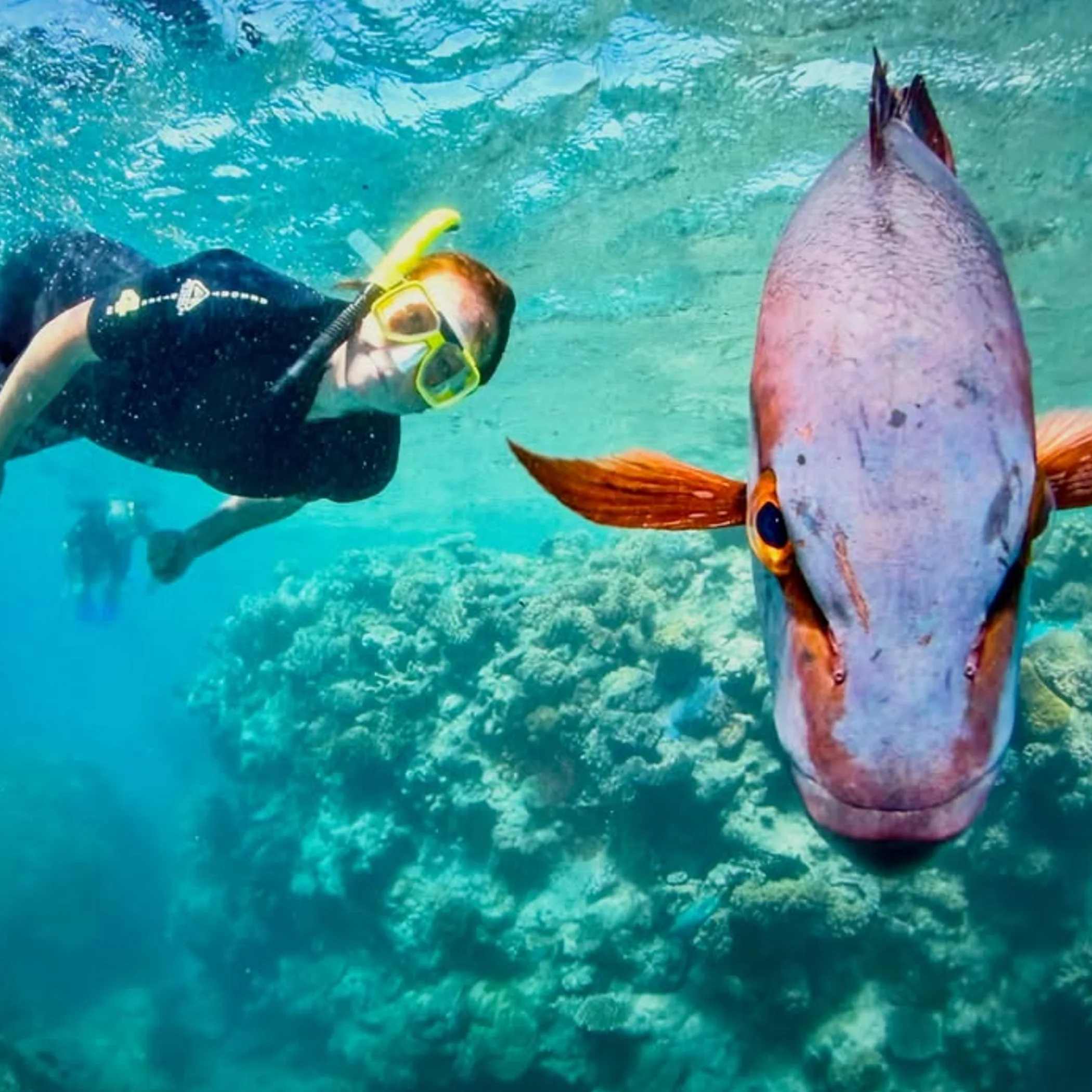
They are asked often enough, mostly because a boater will make an assumption that is reasonable enough but not quite right for these waters.
Is a beginner at home in Keppel Bay?
Only if he is using the right equipment and is mindful of his limitations. Exposed crossings and unfamiliar approaches to an island are best left until a new skipper has some practical experience under his belt.
What of a marine radio?
If you are going beyond sheltered water and mobile coverage is a question mark, it is advisable. But rules can change so check them before you put to sea; it is a matter of the vessel and the area.
Can I put in anywhere on an island?
Not really. Between the rocks, surf, private property and the like, one beach is very different from another. Look at the signs and pick a spot that is right for the boat.
The wind is picking up?
Then put the passengers in their seats, tie down anything loose and think again about your course. Head for shelter or make your way back with daylight and fuel to spare. There is no need to wait until things are frightening to alter plans.
Will a phone suffice in an emergency?
Offshore it should not be your sole means of communication. Make sure it is charged and waterproof and have other signalling equipment to hand.
Safety And Fun
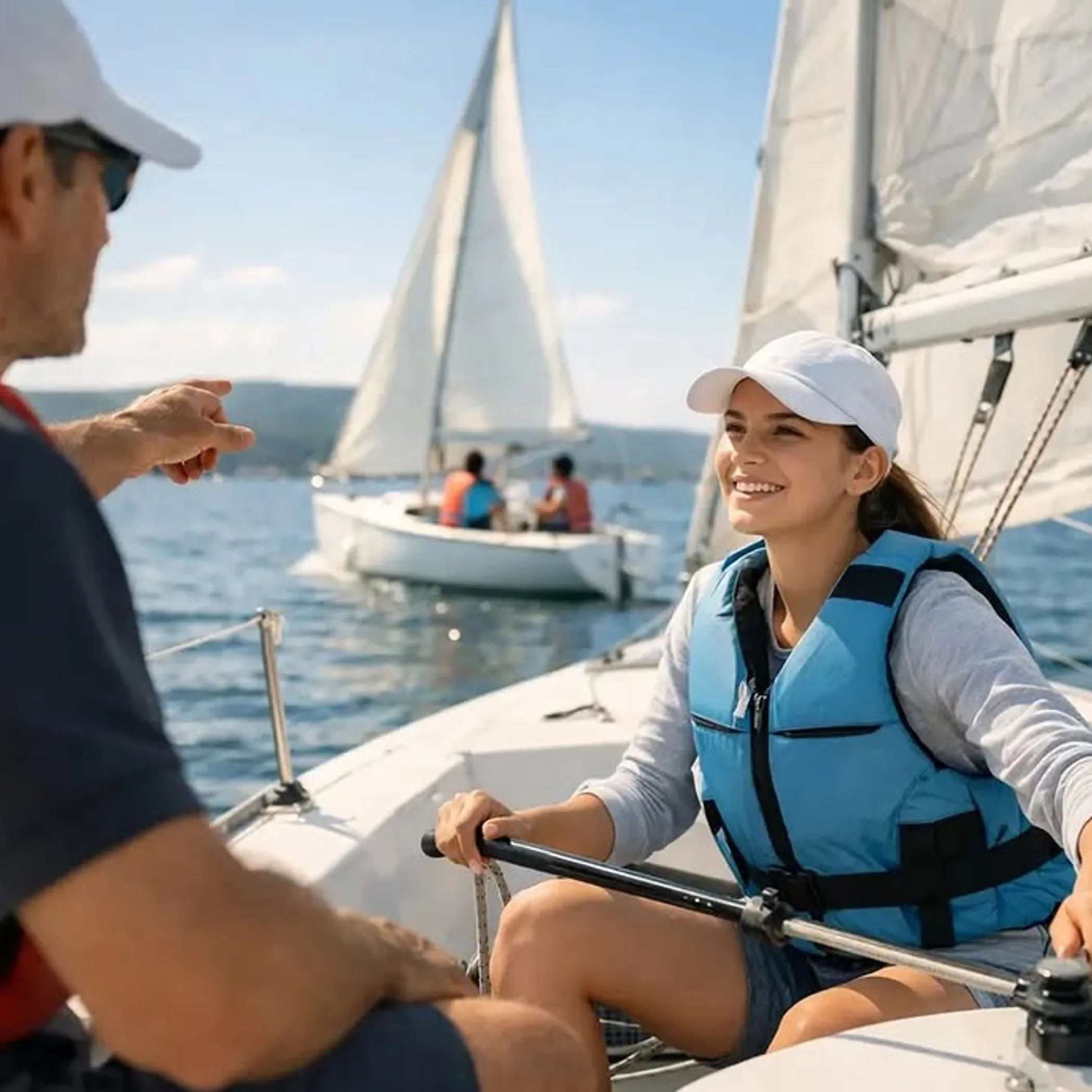
In Keppel Bay it is a practical thing. Know the tide and the weather, have your equipment in working order and shield your passengers from the heat. Be certain of when you are turning around.
Hamish Lockwood’s last word is plain: put together a trip you can have fun on even if the conditions are not as they were. You can always come back to the bay. Getting home with the boat in order, your eyebrows intact and the passengers dry is a result to be proud of.
