There is no better way to make Australian Wines and Italian Dishes sing than to pair the weight, tannins and acidity of the former with the latter’s texture, sauce and principal ingredient. A good example is a Vermentino from Australia that will do wonders for linguine alle vongole; or a Grenache of low tannin which will not turn a tomato sauce into something that has the flavour of a tin of coins.
I have been in the business of tourism and hospitality in regional South Australia for years, so I know a thing or two as Hamish Lockwood. I have had my share of travellers who over-order a heavy red and are at a loss to explain why their seafood pasta is so unremarkable. For Italian meals in vineyard settings, the rule is straightforward: go with what is most pronounced on the plate, the sauce for instance, not the pasta.
How To Go About It
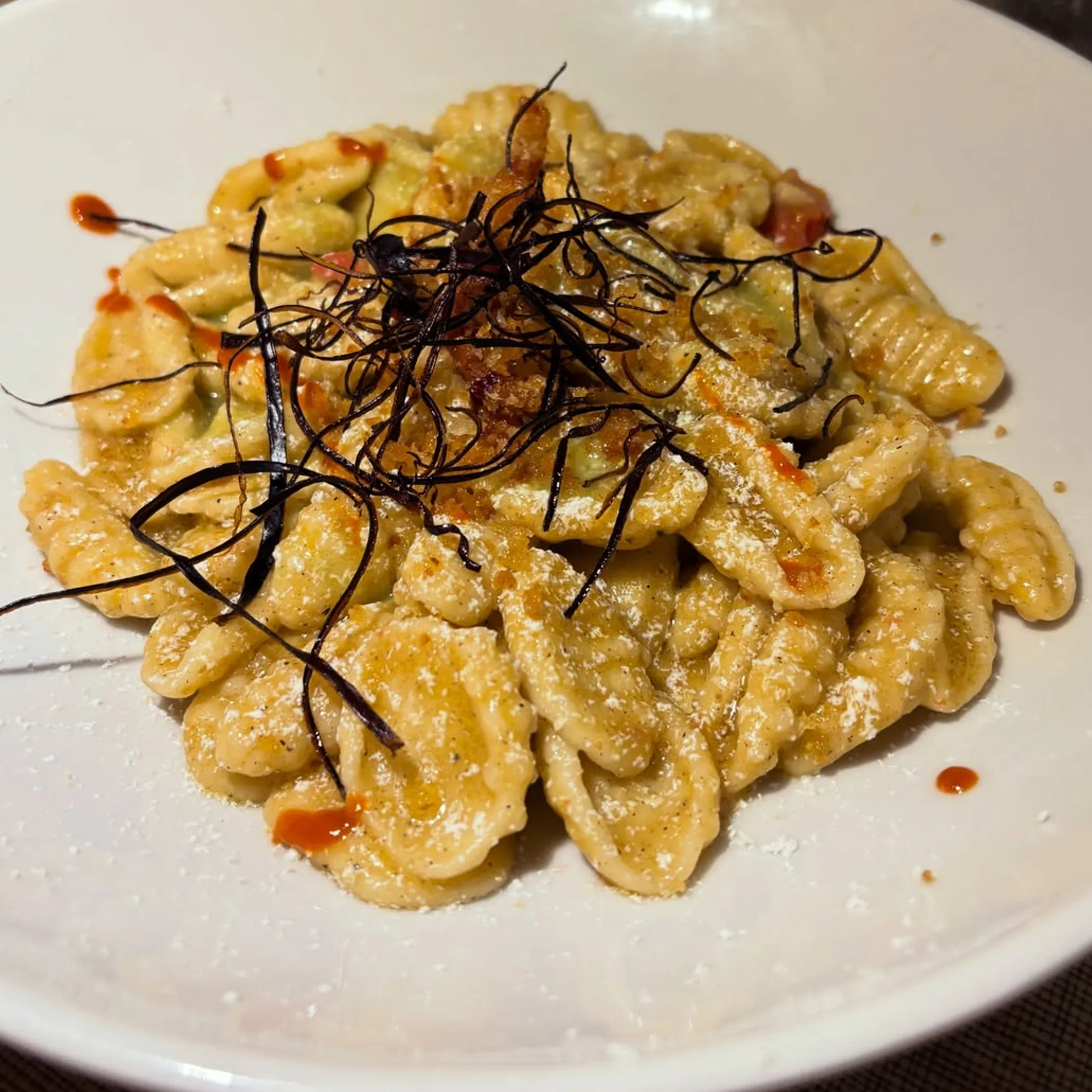
One does not have to have an Italian bottle to hand for every course, nor should one approach pairing as if it were an exam to be graded in red ink. The finest combination of Australian wine and Italian food is about intensity, not hard and fast rules.
Ask yourself: is it a light dish or rich? Is there protein, a salty cheese or some acidity? That will tell you the style and grape you want.
Weight And Body
By weight we mean the substance of the wine in your mouth. Medium- to full-bodied wines are more fitting for roasted meat, a firm cheese or any slow-cooked sauce; leave the light-bodied ones for something more delicate. Then there is the matter of acidity to provide a certain freshness and cleanse the palate of butter, olive oil or cream. Tannins have a way of drying the mouth and are best left to fatty meat rather than a fine fish.
A fruit-forward wine has its place with chilli or grilled vegetables, but too much oak or sweetness will see off fresh Italian cooking. If you are unsure, a wine of moderate alcohol and some acidity is the way to go.
Sauce First, Pasta Second
The pasta is a blank canvas of sorts, the sauce provides the character. Cream calls for freshness, a tomato sauce demands acidity and a meat ragu wants structure and tannins. So an Australian red is not de rigueur with pasta. A Shiraz might be fine with beef ragu but will put a damper on a prawn and garlic number. Or a white that is right for seafood will be lost next to a wild boar lasagna.
Tomato Dishes
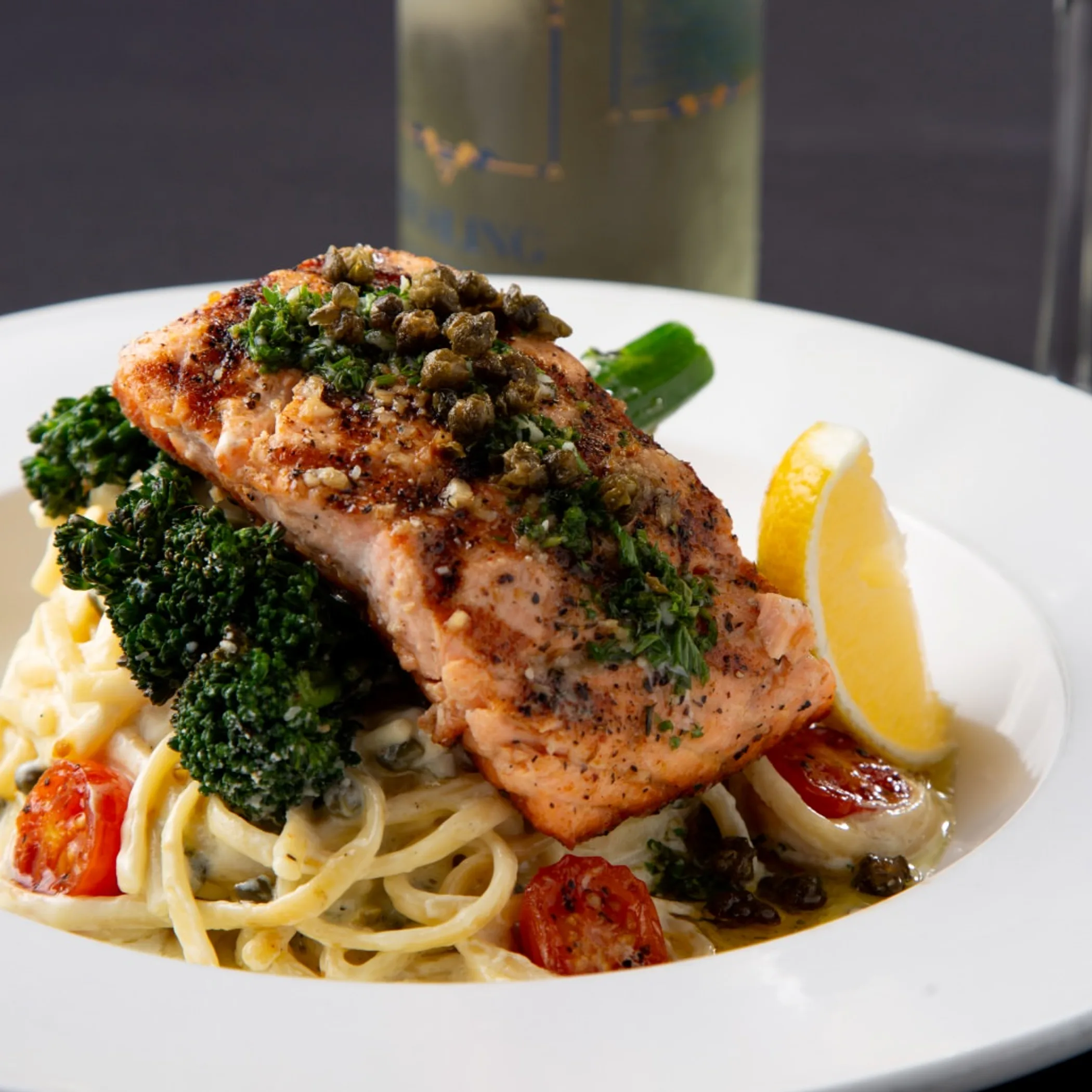
With tomatoes you need a wine that has the freshness to stand up to their natural sharpness and not come across as metallic or dull. A medium-bodied red of bright fruit and tannins in check is what you want for most tomato-laden meals. Look to an Australian Sangiovese, Montepulciano or Grenache to begin with, particularly where there is hard cheese, olives or herbs.
Reds With Some Freshness
For spaghetti bolognese an Australian Sangiovese is apt; the savoury side of it stands up to the mince, oregano and tomato. A Montepulciano will cope with a heartier version with parmesan or pork.
If a softer red is called for, say with a spicy sausage and roasted capsicum, then an Australian Grenache of red-fruit flavour and not too much alcohol is well worth considering. With a Margherita pizza, put out a lighter Australian red, a little on the cold side in warm weather. You will get more out of a juicy Grenache or Sangiovese than a Cabernet Sauvignon of power and oak.
Do Not Overdo The Tannin
Plenty of tannin will run counter to the acidity of a tomato sauce and dry out the mouth. It is a mistake made by those who think a pricey, serious red is impressive enough to warrant ordering. I have seen it in South Australia with visitors who put in for the largest red for their pizza only to find after the first bite the wine is all the harder and the food seems sourer. More cheese is seldom the answer, a fresher wine is.
Creamy Pastas
You want a wine to cut the richness of a four-cheese gnocchi, a creamy mushroom risotto or fettuccine alfredo. An Australian Chardonnay can be very accommodating, provided it is of the right style. A lean one with some citrus and not too much oak will refresh you; a full-bodied, buttery type will just add to the weight of the cream. Acid is the answer to richness
Use Acid Against Richness
A fresh Chardonnay, Fiano or an Australian Riesling of some age will do for fettuccine Alfredo. You want a wine with sufficient acidity to cut through the butter and parmesan on the palate from one bite to the next.
Fiano has texture to spare and does not need to be oaked to show it. Its subtle nuttiness is in keeping with the mushrooms in a creamy risotto and the freshness ensures the dish does not get stodgy.
Then there is Riesling which can be something of a revelation. The lime and mineral qualities of a dry Australian version, along with its firm acidity, are well suited to cream sauces if there is seafood, lemon or herbs in the mix.
Be circumspect with strong cheese
Do not let a four-cheese gnocchi put a fine point on your wine; blue, pecorino or gorgonzola will put any wine to the test. A medium-bodied Chardonnay or a textured Fiano is generally a better bet than a Sauvignon Blanc that is too delicate. When the saltiness of the cheese is pronounced, a sparkling wine makes for good palate cleansing. The bubbles and acidity of an Australian sparkling will reset the mouth and serve as a sensible aperitif over several courses.
Seafood and shellfish
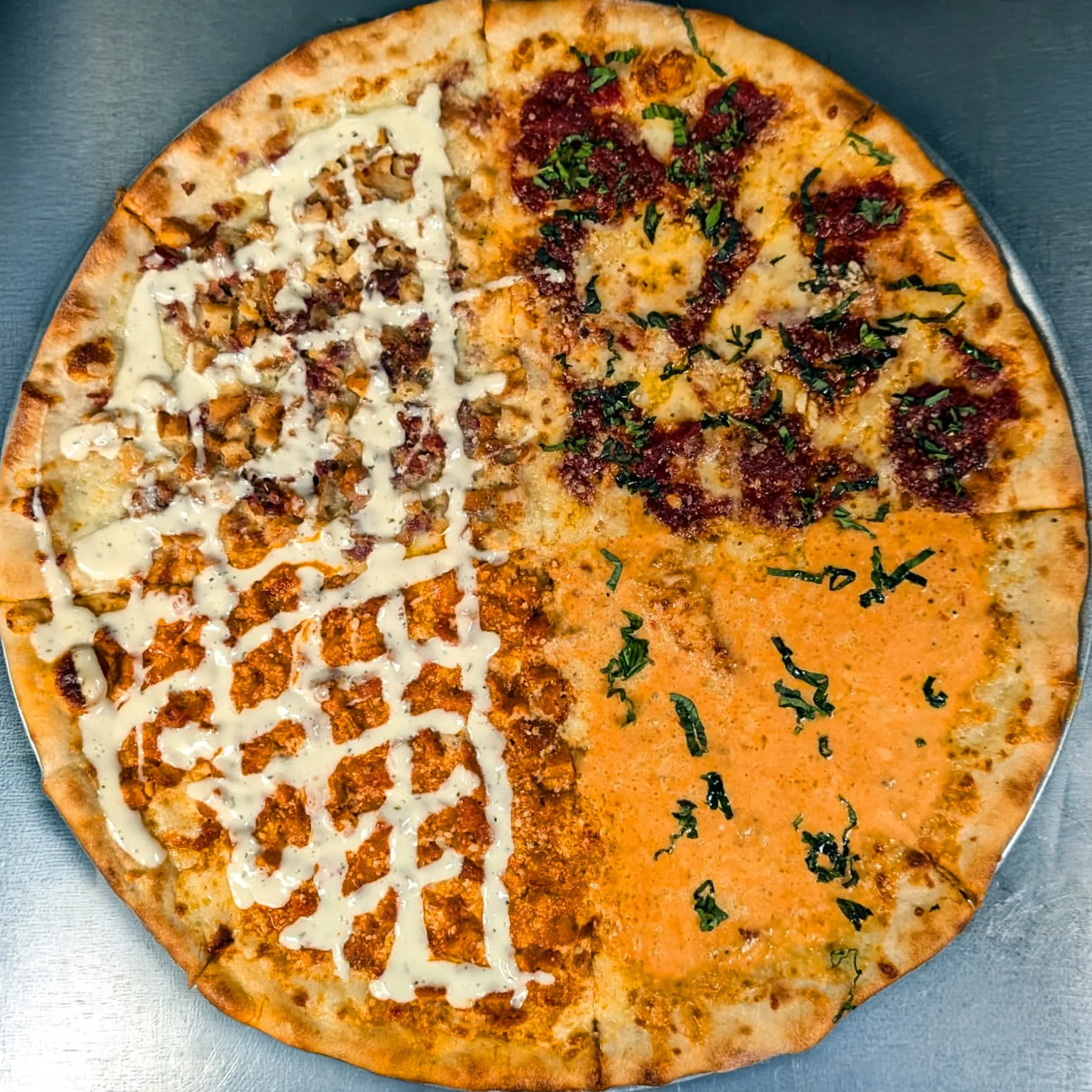
One must be judicious with oak and keep alcohol in check when pairing wine with seafood pasta. Freshness is called for. Wines that put forward salinity, garlic, herbs and lemon are preferable to ones that would mask them with ripe fruit.
Vermentino, Fiano, Sauvignon Blanc and a dry Riesling from Australia are all sound options. It comes down to the sauce: a crisp wine for lemon and herbs, but something with more texture if you have chilli, garlic and cream.
To preserve the delicacy of the seafood
Linguine alle vongole and Vermentino go together naturally. The citrus and clean finish of the wine will not overbear the clams, olive oil, parsley and garlic. With a prawn risotto laced with garlic, a lightly oaked Chardonnay or Fiano has the body for the rice yet allows the prawns to come through at the end.
Grilled or a light fry of calamari is made for a Sauvignon Blanc or a sparkling. The acidity takes care of the oil and the bubbles are a useful scrub between bites.
Mind the oak and the alcohol
The mistake many make is to reach for a heavily oaked white with any kind of seafood. Shellfish can turn bitter or oddly sweet as a result. And if the dish is spiced, high alcohol will only amplify the heat of the chilli, so opt for a cooler, fresher style.
White should be served properly chilled, though 8–12°C is ample for most. There is no need to make it ice-cold; if a bottle has been put out and has no scent to speak of, let it sit in the glass a few minutes. This is not a contest with frozen peas.
Meat and ragu call for reds
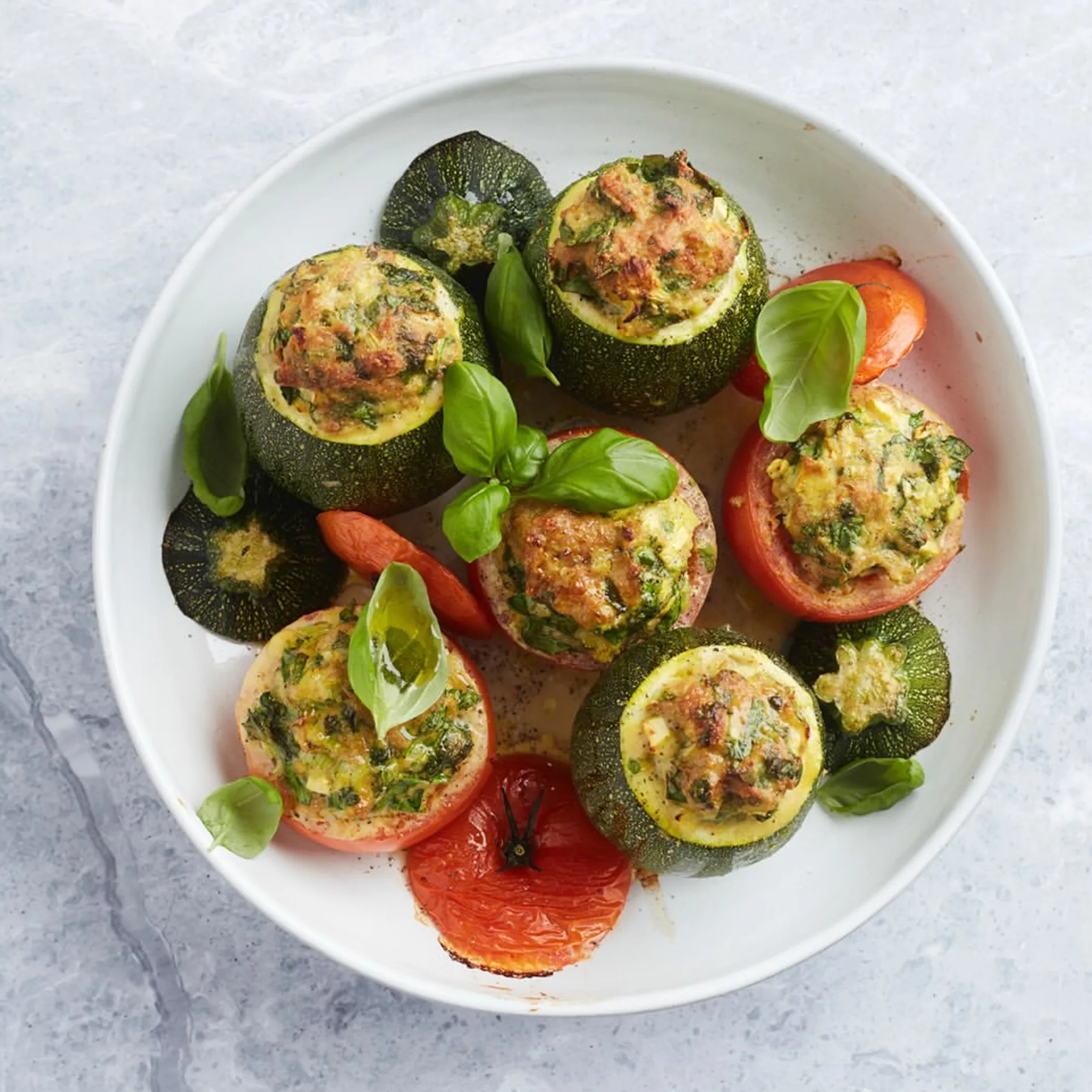
You need tannins, fruit and body in the wine to stand up to the meat in a ragu. A slow-cooked ragu demands more structure from the reduction than a hasty tomato sauce.
There is room for Sangiovese, Grenache, Montepulciano, a South Australian Shiraz or regional Cabernet Sauvignon, each to its own dish. Put more structure in the glass for a heavier meat and sauce.
Pairing protein with red
A beef ragu is a case for a medium- to full-bodied red. Provided it is not all oak and alcohol, a South Australian Shiraz can be very effective with black pepper, rosemary and the like in the sauce.
Osso buco requires a wine of some heft and also acidity. One will find Sangiovese to be of use here; it will underpin the veal, stock, gremolata and tomato without being clumsy.
Montepulciano or a regional Cabernet have the savoury depth for a wild boar lasagna. But if there is tomato in the lasagna, look for tannins that are not too firm or they will be at odds with the sauce.
When Shiraz is overkill
Not every Italian dish is going to be solved by a South Australian Shiraz. A dense, high-alcohol one will run roughshod over veal, mushroom and tender herbs. Reserve it for a long-cooked beef sauce or some grilled meat and peppery sausage.
Barolo and Chianti are the classic touchstones but an Australian equivalent can follow the same logic: tannins for the meat, acidity for the tomato, a savoury note for the herbs. The flag on the label is of less consequence than the grape and its structure.
Pizza, risotto and vegetables
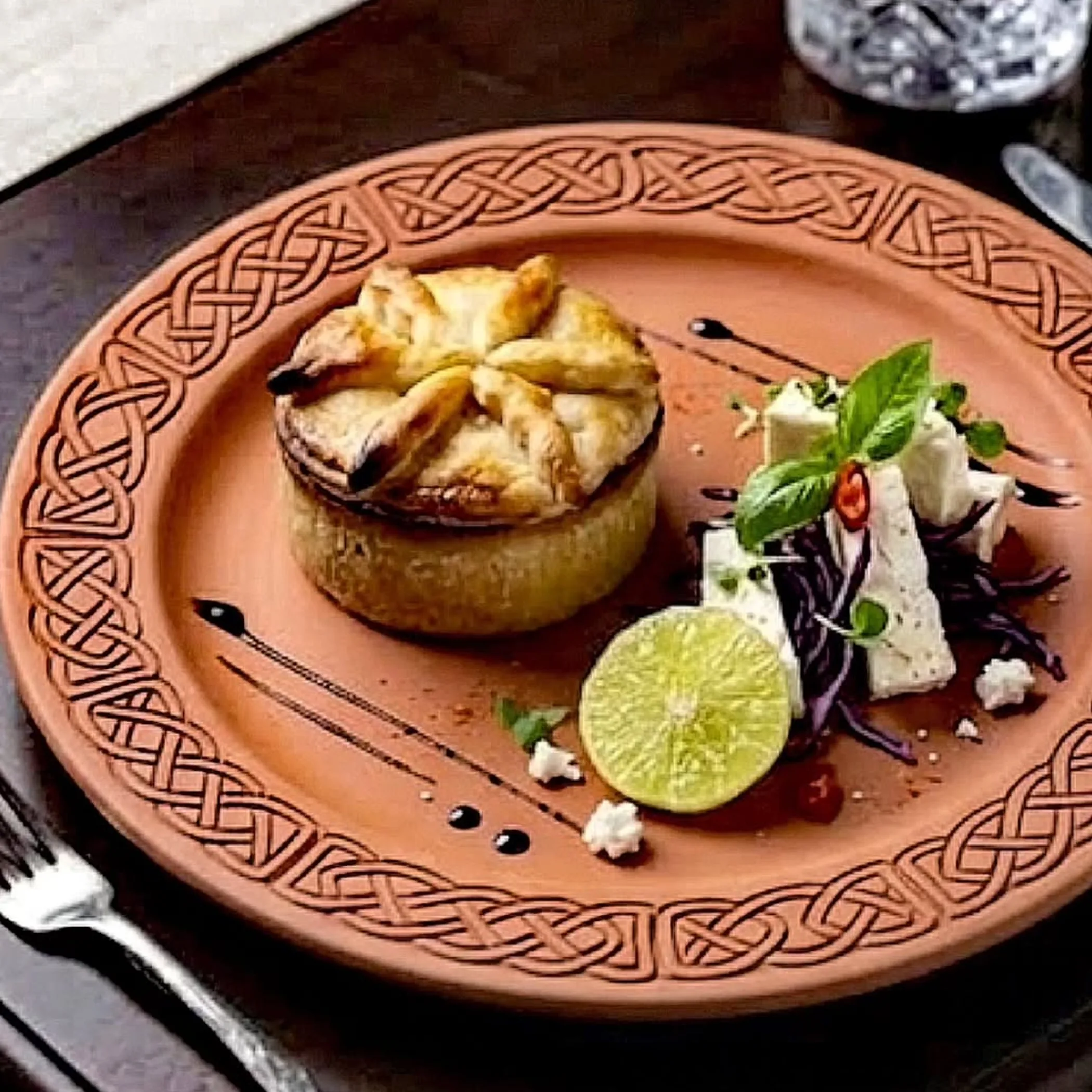
An Italian vegetarian plate may have its share of olive oil, salty cheese and earthy vegetables. Whether the dish is rich and roasted or of a fresh, herbal disposition will dictate the pairing.
With zucchini, asparagus, peas, soft cheese or basil an Australian white can be outstanding. For eggplant, mushrooms and the like, a light red or a white with some texture is in order.
Match The Main Ingredient
Sparkling wine, a Sangiovese or Grenache are all at home with a Margherita. For mushroom pizza one can put out a Chardonnay, Fiano or something of the lighter Pinot reds; a Montepulciano or Shiraz will do for a sausage and fennel variety.
Then there is the creamy mushroom risotto, which pairs with Fiano, Chardonnay or a light-bodied red. The earthy taste calls for no great wine but the rice and parmesan want some texture that a very thin white cannot offer.
When it comes to vegetable antipasti, Vermentino and Sauvignon Blanc are dependable. The acidity is right for marinated olives, fresh herbs, artichoke and grilled capsicum.
Practicalities of Seasonal Serving
More than most would think, season dictates the alcohol and serving temperature in Australia. A high-alcohol red on a South Australian afternoon will be tiring before the main has been put on the table, yet in cooler climes that same bottle is more in balance with an osso buco or baked pasta.
And if you are at a vineyard, make your transport arrangements prior to tasting. Put down a taxi, book a tour or have a designated driver rather than count on a rideshare materialising from one cellar door to the next. Factor in the country roads, a lunch break and the odd road train. An Italian meal in such surroundings is better had when one is not tallying the kilometres back.
Quick Pairing Guide
Guests are hungry and the bottle shop is about to shut? This table is a fast way to answer. Take it as a point of departure and make allowances for the sauce, the chilli, the meat and cheese.
| Italian Dish Or Style | Australian Wine Choice | Why It Works |
|---|---|---|
| Margherita pizza | Grenache, Sangiovese or sparkling wine | Freshness to match the tomato, without bullying the cheese |
| Spaghetti bolognese | Sangiovese or Montepulciano | Mince and tomato sauce need savoury fruit and acidity |
| Fettuccine Alfredo | Chardonnay or Fiano | To cut the butter and give the parmesan some support |
| Four-cheese gnocchi | Chardonnay, Fiano or sparkling wine | Bubbles and acidity to cleanse the palate |
| Linguine alle vongole | Vermentino or dry Riesling | Citrus and freshness for the shellfish, garlic and herbs |
| Garlic prawn risotto | Fiano or lightly oaked Chardonnay | Body for the rice, freshness for the prawns |
| Beef ragu | South Australian Shiraz or Cabernet Sauvignon | Tannins and body for the slow-cooked beef |
| Osso buco | Sangiovese or medium-bodied Shiraz | Structure and acidity for the veal, stock and gremolata |
| Wild boar lasagna | Montepulciano or regional Cabernet Sauvignon | Moderate tannins and dark fruit for the savoury meat |
By the usual Australian standard-drink definition of 10 g of alcohol, a 150 mL glass of 12.5% wine is some 14.8 g of pure alcohol, or 1.5 standard drinks. The precise figure will vary with the size of the pour and the percentage of alcohol. See the NHMRC for up to date advice on responsible drinking for adults in Australia.
- Tomato, cream, seafood and salty cheese call for acidity.
- With beef, lamb and other rich meats go for moderate tannins, and low-tannin reds for anything with a lot of tomato or spice.
- In hot weather keep reds a touch under room temperature and whites cool but not numbing.
- A dry sparkling or medium-bodied Sangiovese is the way to go for breadth of range if there is only one bottle.
Frequently Asked Questions
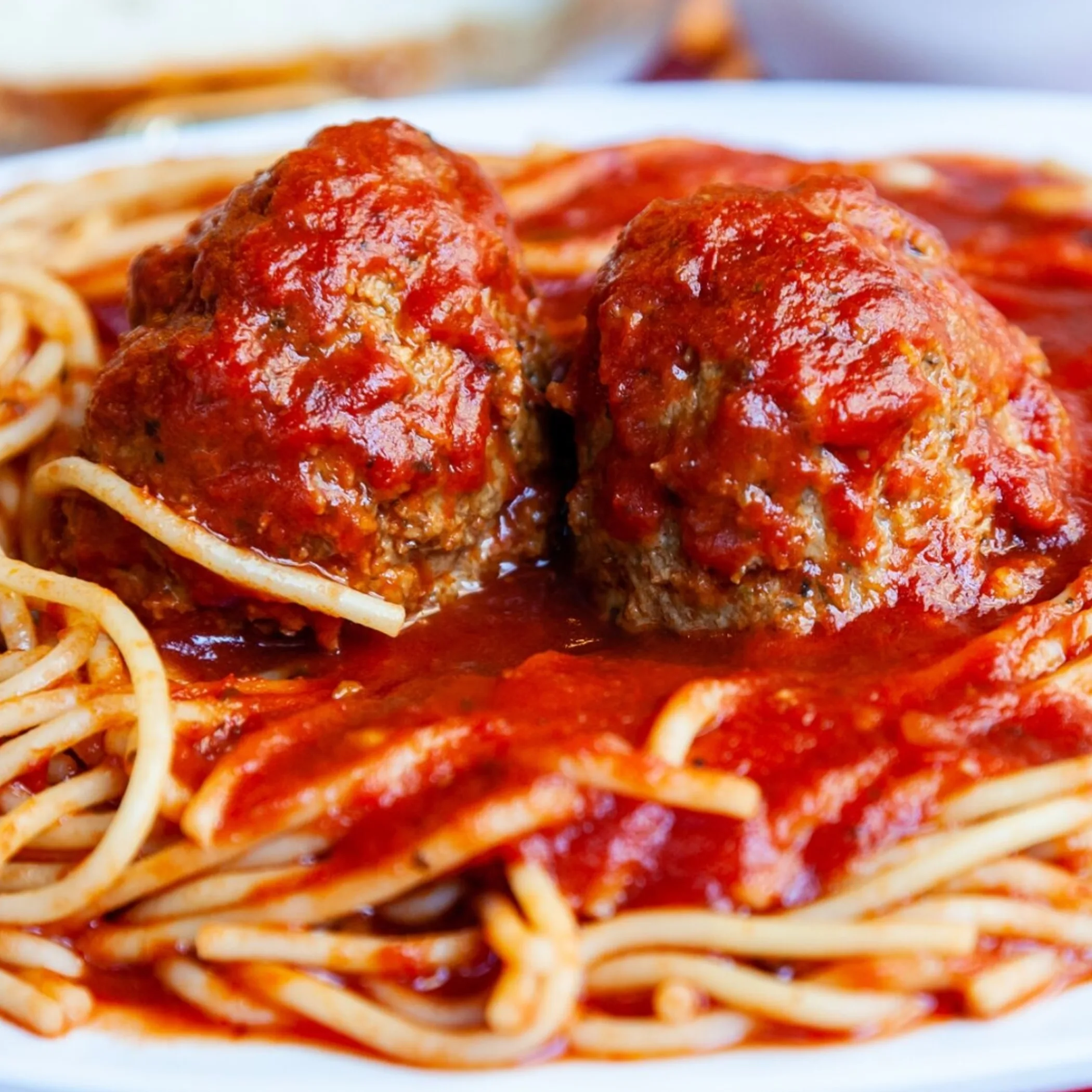
The sheer variety of flavour in Italian food makes these questions inevitable. You learn little from the pasta; the sauce, protein and cheese are what matter.
Balance is safer than tradition. There is no need for an Australian wine to put on airs of a Chianti, Lambrusco or Barolo to complement Italian cooking.
What Australian Wines Pair Well With Food?
Many do: Sangiovese, Grenache, Chardonnay, Fiano, Vermentino, dry Riesling, Sauvignon Blanc and sparkling. Let the dish be your guide: reds with the heavier meat and tomato, whites for vegetables and seafood, and sparkling for the fried, salty or creamy.
What Type Of Red Wine Complements Italian Cooking Best?
You will not find a single best. Sangiovese is a good all-rounder, its acidity fitting the tomato, while Grenache is softer on the tannins. A Shiraz or Cabernet has the heft for a substantial beef ragu and Montepulciano for a rich pasta and cheese.
Do Italians Drink Red Or White Wine With Pasta?
Both. Red for the meat, sausage and tomato pastas, white for pesto, vegetables, lighter cream sauces and seafood. The notion that pasta demands red is too broad a brush.
What Kind Of Wine Do Italians Drink With Dinner?
A wide assortment of regional wines, sweet, sparkling, red or white. Chianti and Barolo come to mind, but then again so does the region, the season and what one likes.
Is Australian Wine Too Strong For Italian Food?
Not of necessity. Yes, some are powerful, but there are plenty of fresh, high-acid whites and low-tannin reds in Australia. Should a wine be over much, try a lighter vintage or something like a Riesling, Vermentino or Sangiovese, and serve it a little cooler.
Serve With Confidence
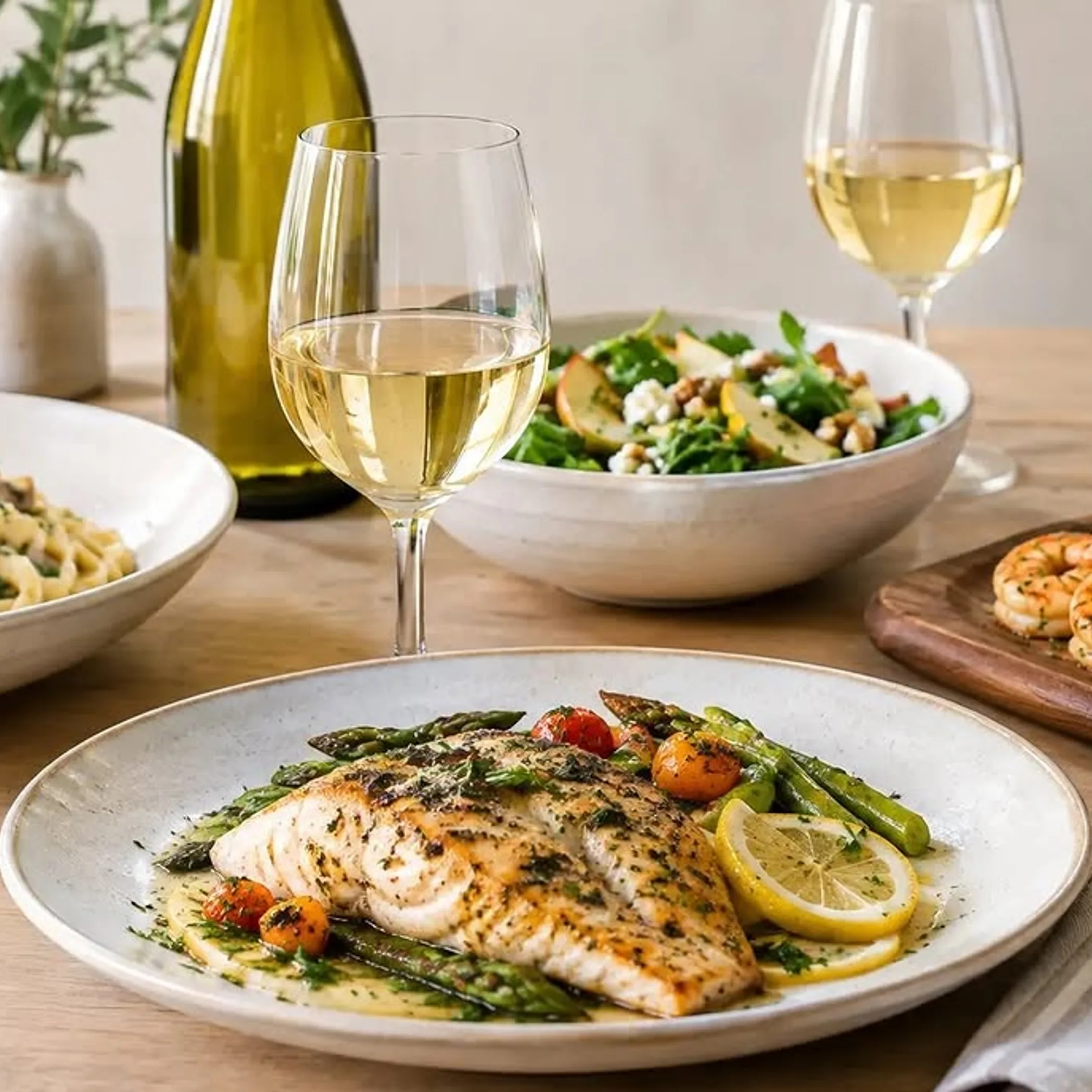
Match the structure of the wine to the preponderant flavour of the dish and you have a sound pairing. Use tannins for meat that has been slow-cooked, body for rice and cream, acidity for richness and tomato.
Taste as you go, start with the sauce and put aside anyone who says there is a right bottle and no other. A plate of spaghetti should not become a committee meeting.
