There is a basic tenet to healing a new tattoo in this climate: see that it is kept clean, shielded from the sun and not left to soak in water for long. The high UV, sweat and humidity you get in Australia can be an invitation for irritation or infection in the opening days.
Hamish Lockwood here. I have put in my time outdoors in Darwin, Alice Springs and the regions of South Australia and can tell you hot weather has a way of turning a minor oversight into something uncomfortable. A tattoo is skin in the process of healing, no more than that. Do not treat it like a sticker, come summer.
The Effect of Heat and Humidity
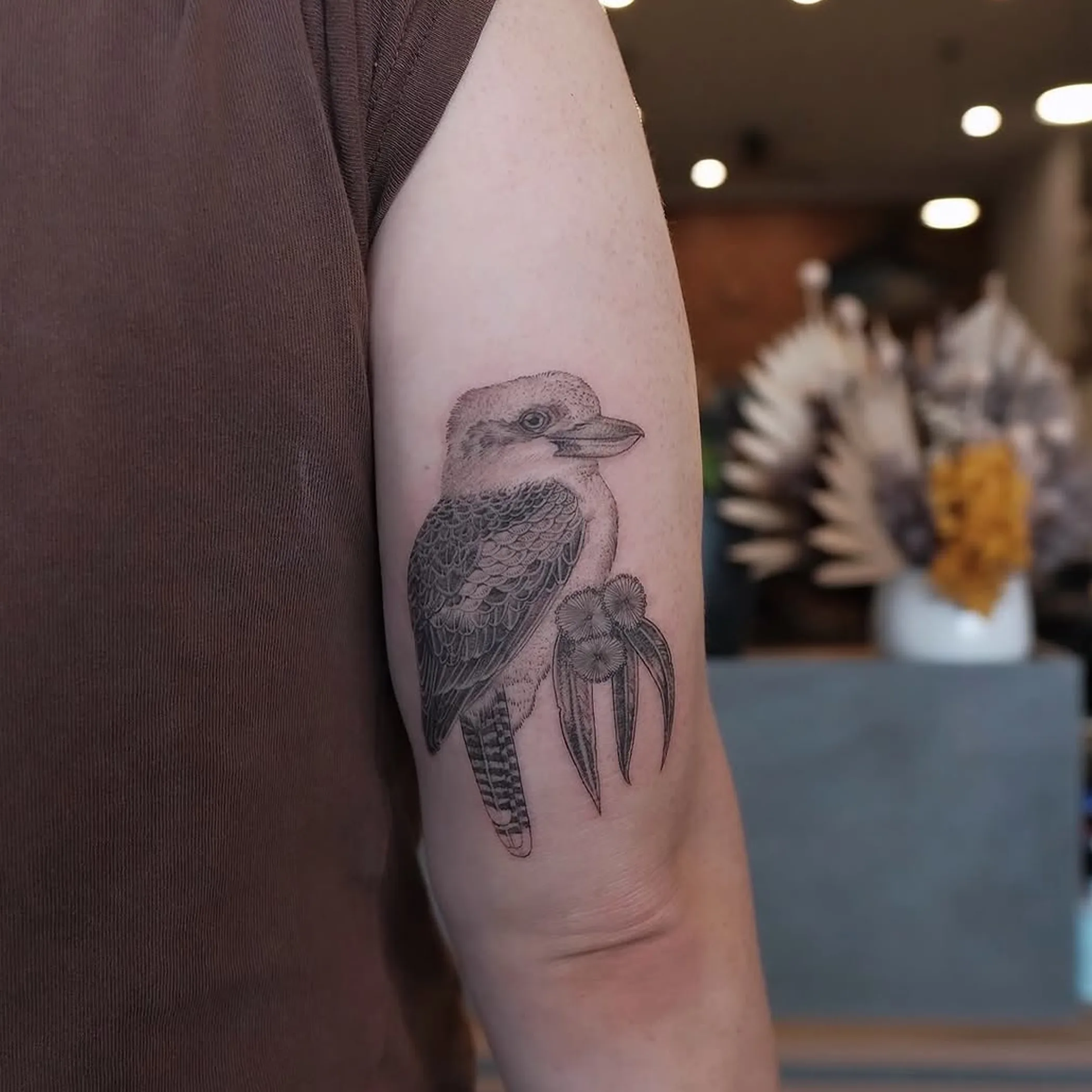
Humidity will impede evaporation on the skin and heat will bring on more blood flow and perspiration in the vicinity of the tattoo. Put them together and you have an area that is damp and sticky, open to being rubbed and having its pores blocked. Some moisture is part of normal wound healing, but you do not want the skin to be perpetually wet. You are after lightly moisturised skin that can breathe, not a film of ointment made glossy by your clothes and sweat. For more hot weather tattoo care tips, follow practical aftercare guidance.
Sweat and Other Troubles
While sweat is not inherently hazardous, too much of it will sting. Then you have the salt, any bacteria from your hands or attire and the habit of wiping at it; all of which can upset the surface of the skin while it is trying to put itself back together.
The error many make is to think the piece has to be sealed off and greasy. In these conditions an over application of aftercare will simply trap the heat and moisture. Stick with what your artist puts before you.
Stages of Healing
Expect some tenderness, warmth or tightness on the first few days. As the outer skin comes round there will be peeling, an itch or some dryness. But the deeper skin takes its time so the tattoo may appear to be fine when it is not done yet.
Healing is dependent on the size and colour of the work, where it is and the skin of the person. One does not expect a big back piece in the Darwin humidity to heal as one would a small black line on an ankle in Melbourne in the cooler months.
| Healing Stage | What You May Notice | Best Response |
|---|---|---|
| First day | Tenderness, redness, plasma or mild swelling | Follow the artist’s dressing instructions and avoid touching it unnecessarily |
| Days two to seven | Itching, flaking, dryness or light peeling | Wash gently, pat dry and apply a thin layer of suitable aftercare |
| Following weeks | Less tenderness but ongoing skin recovery | Continue sun protection and avoid aggressive scratching or exfoliation |
First 24 Hours
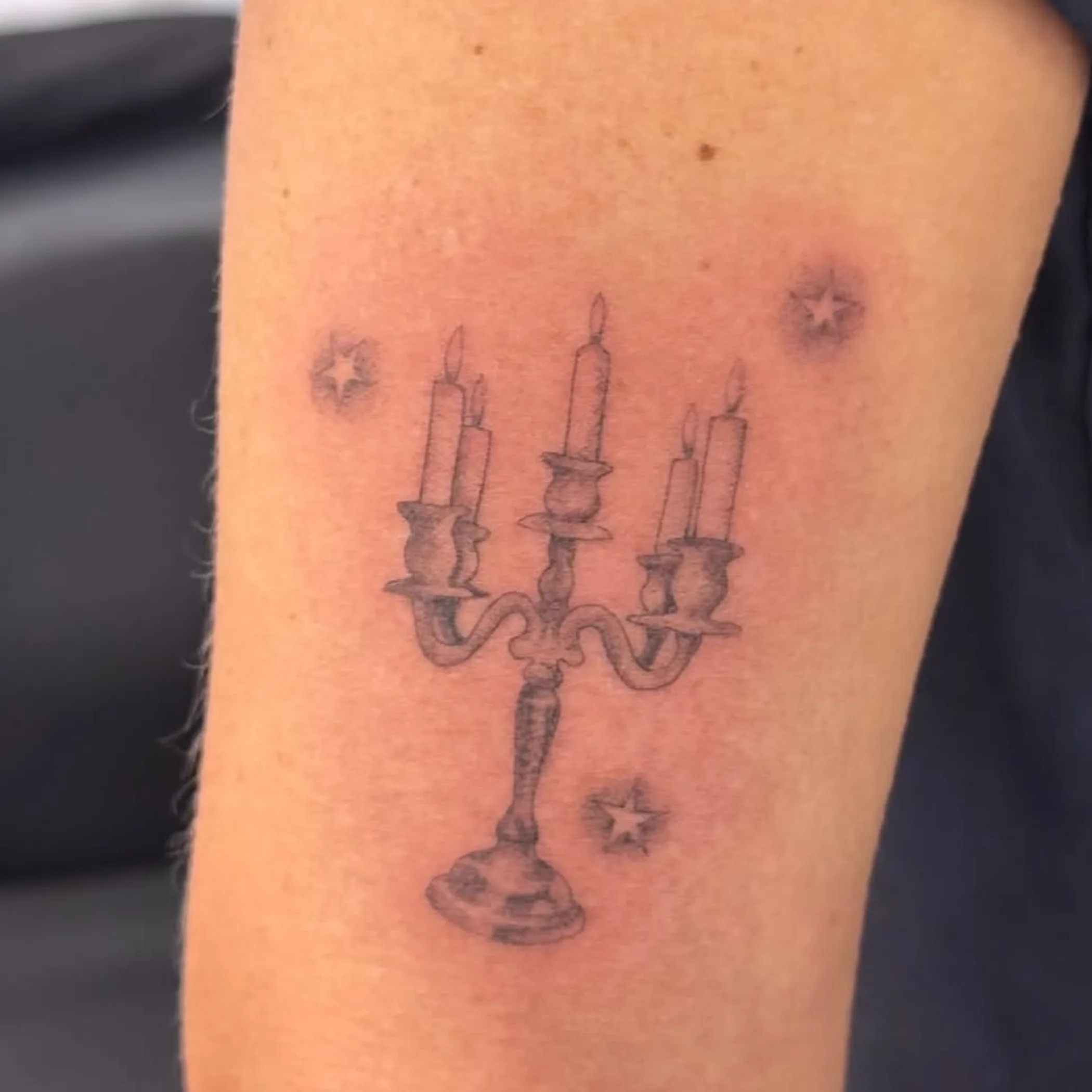
How you handle the first day is indicative of the rest of the healing. It is better to have clean hands and sensible clothing than a cupboard of products. I have found the details count when working in the heat: the state of the air-con, how long one is in traffic, where you park. Make a plan for getting from the studio so you are not pressing the new tattoo up against a car seat for an hour.
Getting Home
Make sure you have transport where the tattoo can be left to it or put under protection without chafing from a seatbelt. Public transport is fine but if it means being jostled or coming in contact with unclean surfaces in a crowd then do not bother. With a large tattoo it is worth putting in for a lift; a cool ride home is better than tramping several kilometres in the sun or having your arm in the way of strangers on a tram.
What to do on the first day
- Hands are to be washed prior to any contact with the dressing.
- Leave the dressing on for as long as your artist says.
- When it is time to wash, use lukewarm water and a mild soap.
- Pat dry with a disposable towel, do not rub.
- A thin application of ointment is in order if you have been told to.
- Keep out of the pool, the ocean and anything that will make you break out in a sweat.
Unless advised otherwise, do not put household plastic wrap over the tattoo. Dressings are not interchangeable and guessing at it is the surest way to make a simple matter rough as guts.
Cleaning and Moisturising
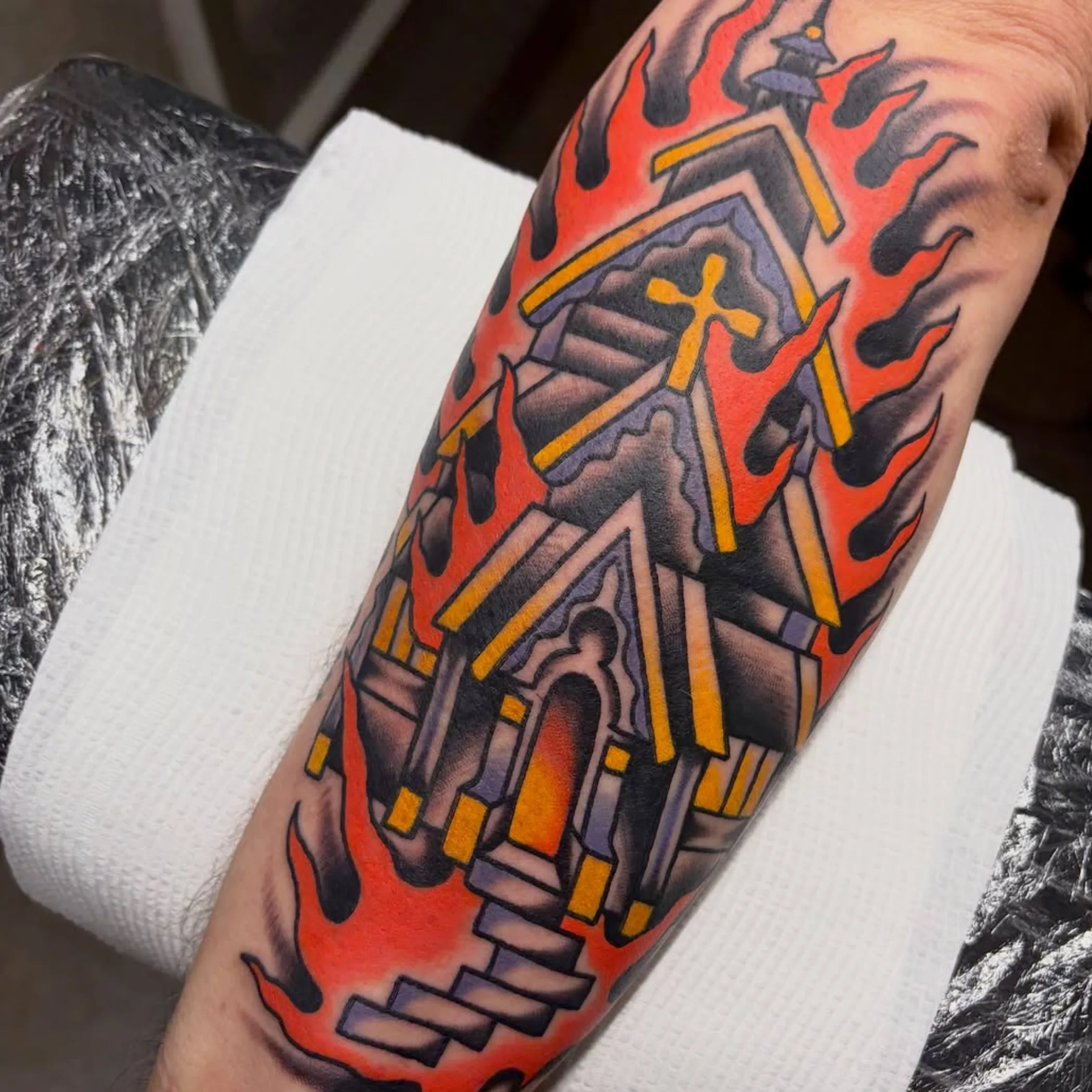
Proper aftercare in Australia is not meant to be complicated. There is no call for a product with the aroma of a tropical cocktail or some involved ritual. Just be thorough with the washing and drying and do not overdo the moisturiser. There are times in the heat of summer when a wash is called for after you have put in a hard day’s work and are perspiring, but there is no benefit to be had from scrubbing at it. Just see that the area is clean and let it dry down.
A Gentle Approach
Stick with lukewarm water and a soap of the milder sort, free of any potent scent, unless your artist or doctor has put you right on that. A light touch of your fingertips will do for the tattoo and the skin around it; leave the loofah, exfoliating gloves and face washer aside and do not use your nails. Rinse the soap off well and make use of a fresh towel, or one of the disposable kind, to pat the area dry. Should the tattoo be left damp by your clothes, put off dressing for a few minutes so some air can get to it.
Moisturise, but don’t overdo it
Your artist will have an aftercare product in mind, apply it in the thinnest of layers. One does not want the skin to be glistening or appear wet and caked on for hours. When in doubt as to how much to put on because of the sweat, consult the artist. Some studios will put in a good word for Dr Pickles and the like, but what is right for you is a matter of your skin and the style of the tattoo. Heed the instructions you were given for your piece and do not simply go by what a friend is doing.
Clothing And The Sweat Factor
Healing is made difficult by clothing that clings or drags on the tattoo. You will find loose, unencumbered fabrics and some airflow help the skin to settle. What you wear is a function of where the tattoo is; a thigh piece might call for breathable shorts, an upper arm for a roomy cotton shirt. Steer clear of tight activewear or denim seams that will hold sweat to the spot.
Exercise
When the tattoo is weeping or looks wet, strenuous activity should be put on hold. There is too much friction and sweat involved in a long run, heavy lifting or outdoor guiding to be of any comfort to the area. If outside work is unavoidable, cover the tattoo with something clean and loose, do not put sunscreen on broken skin. Make for the shade now and then and change out of any damp clothes. At the end of it, give it a gentle wash.
For those who work outdoors I can vouch for the perils of it: in the Top End a shirt is warm enough at breakfast but by midday is as good as a portable sauna. Do not rely on the temperature alone, look at the forecast; wind and humidity will dictate the rate of sweating.
UV And The Sun
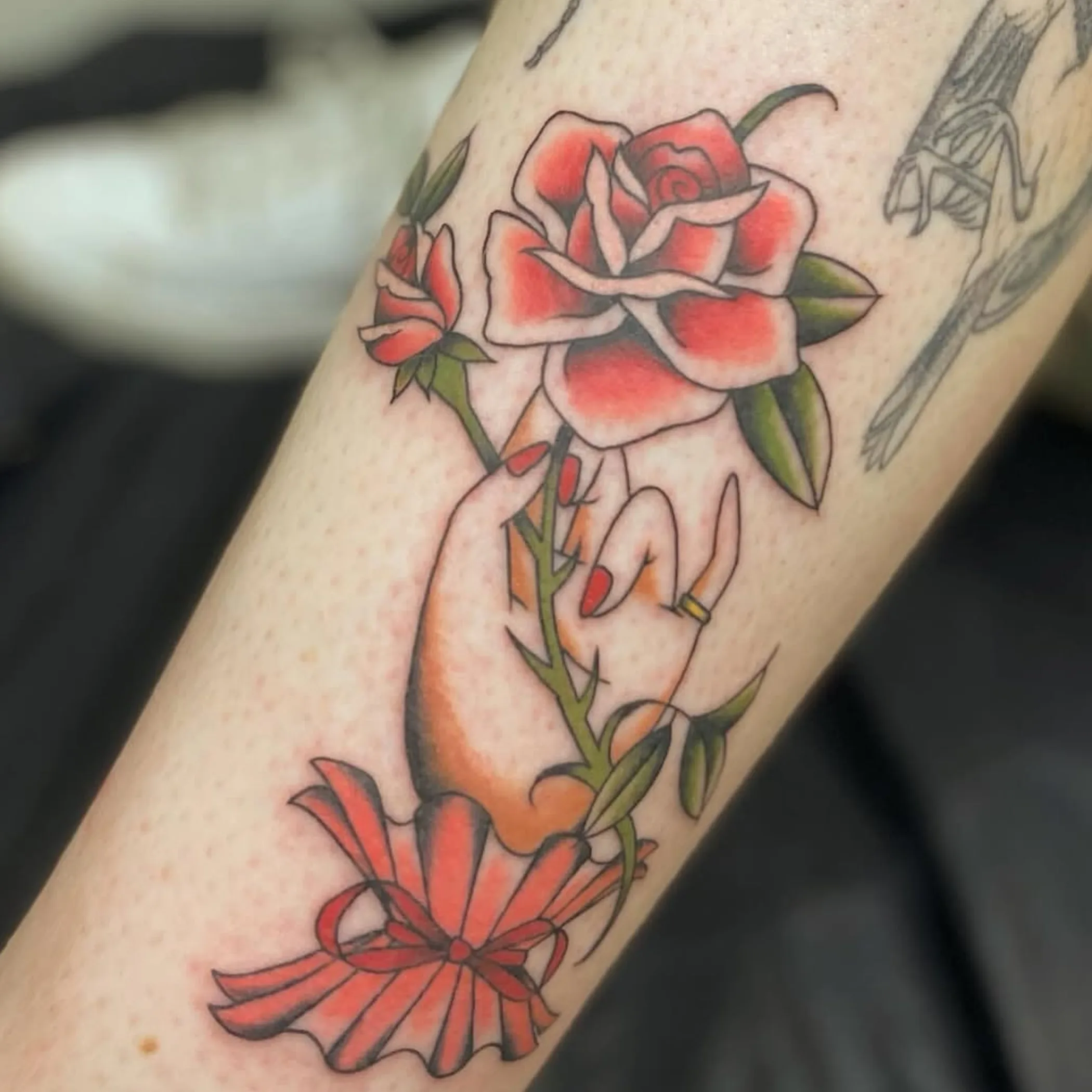
The two are not compatible. Fresh skin is prone to burning and UV will eventually take its toll on the colour, leaving it uneven. Use shade and your clothing to keep the sun off a healing tattoo. Put on the broad-spectrum sunscreen only once the skin is fully healed and as the label says. In the meantime, do not apply it to an open or peeling tattoo without express permission from your healthcare professional or artist.
Reading The UV Index
One has to pay attention to the UV Index. The Bureau of Meteorology service puts it on a scale of zero to 11 plus and above 3 calls for protection. It is more telling than the thermometer. In Melbourne a spring day can be mild and still have damaging rays, in Brisbane you may be lured into letting your guard down by clouds on a cloudy day, but they are no force field.
Soaking In Water
It is a source of much confusion whether to swim. Prolonged time in a bath, spa, pool or the ocean will soften the skin and bring in bacteria in a way a shower does not. “It looks fine” is no medical test, so wait for full healing before you submerge the tattoo; your artist can offer guidance on the specifics.
Pool Ocean And Beach Risks
Pools have their chlorine to irritate with, the ocean has salt and sand and microorganisms. Add to that the grit and the urge to lie on the tattoo and a beach is hardly a sensible place to recover. Spas and natural swimming holes should be avoided. An accidental soak means a gentle wash and some monitoring to see if the irritation gets any worse.
Australian conditions
Australian conditions present their own set of issues. The wet season up north brings rain and humidity that makes drying hard, while in the south the summer heatwaves are just as troublesome despite lower humidity. Even in the dry season the UV and heat are no less intense.
For a long drive, camping or a beach holiday, it is best to put off the tattoo until after you have returned. There is no pleasure in forgoing the pool on a holiday while the rest are at their leisure in a spa.
Infection: When To Pay Attention
A certain amount of swelling, tenderness and redness is to be expected in the wake of a new tattoo. But should symptoms intensify instead of subsiding, they warrant some attention; in hot, humid climes an irritation can run away with itself.
Be on the lookout for any of these as signs of infection: pus, a bad smell, fever, red streaks, pain that will not abate, warmth or redness that is spreading, or just feeling under the weather. A rash or blistering and any marked swelling would also call for medical advice without delay.
If You Have Cause For Concern
Put in a call to a doctor or health service if the situation is severe, on the spread or there is a fever. Picking at scabs, squeezing the work or making use of old antibiotics is not advised. Those with diabetes, a compromised immune system or who have had serious skin reactions in the past should not wait to be seen.
An artist will tell you what normal healing is but he cannot make a diagnosis of an infection. Err on the side of caution and get medical guidance, a photograph of the piece in hand and an idea of when it all began.
Strategies Across Australia
The basics do not change from one city to the next even if warm weather care does. The plan is to see that sweat, water, sun and friction are kept to a minimum in the initial phase of healing.
Darwin and Brisbane
High humidity and UV levels in Darwin and Brisbane will have you sweating fast. Put on the fan or air-conditioning so long as you do not blast cold air on the tattoo for too long and dry out the skin. Make of the day’s cooler hours for your appointment and keep your transport to the area brief with clean tissues to hand. No outdoor excursions straight after.
Melbourne
Serious sun protection is called for in the Melbourne heat. A hot day has a way of surprising people who have put in a walk or a tram ride to a festival with no shade to be had. The cooler months are less taxing on the skin with fewer beach days and less perspiration, but they are not without risk; wool, the UV and dry heating from indoors can be as irritating.
A Day In The Life
With only a day to spare for a tattoo, give priority to the appointment and getting home to a quiet evening. Park well or have a direct route back, stock up on food and water and have some loose clothing ready. Do not make plans to go to the gym, the bush or a road trip. The tattoo will be there, but your patience might not.
FAQs
You will find below the sort of questions that come up when a fresh tattoo and an Australian summer collide. The answers are straightforward, though any variance with the artist’s instructions on dressings should be followed.
Heat and humidity and the tattoo
They are conducive to sweat and friction. Let the tattoo have some sensible airflow, keep it lightly moisturised and clean. Damp clothes should be changed and direct sun avoided.
Sweating
Some of it is inevitable but you do not want to irritate the tattoo with heavy exertion. If you do break a sweat, a gentle wash and pat dry is in order.
The Australian sun
Healing tattoos need the cover of loose clothing and shade. A healthcare professional may say otherwise but put no sunscreen on broken or peeling skin. Once fully healed a broad-spectrum sunscreen is fine, provided you have checked the UV Index.
Swimming
Not until the tattoo is done healing. The same goes for a spa or natural water. Sand, ocean and pools are a recipe for infection and irritation.
An infected tattoo
Pus, an odour, fever, red streaks and a general malaise are telling signs. Do not put off seeing a doctor.
Summer or winter?
Winter is often easier with the lack of swimming and the like. Summer is no bar to it if you can be disciplined about your exercise, clothing and water contact.
Aftercare in the Australian heat
It is a matter of common sense: shield the skin from UV, keep it clean and free of soaking and reduce the sweat and friction. That is the surest way to heal. These tips should inform your routine and travel plans. And if the tattoo seems to be getting more worked up than it was, a word with a medical professional is warranted. It is a small precaution to safeguard the piece and your weekend.
