The first rule of snorkeling a remote reef in Far North Queensland is to consider it a small marine expedition rather than an informal swim. Before you head out of Cairns or Port Douglas, make sure your safety gear is up to scratch, have a buddy with you, heed the reef operator and be ready for the fact that mobile reception will be at a premium. And do check the weather.
Hamish Lockwood here. In my time with Australian visitor operations I have come to see that a lot of outdoor trouble can be traced back to a minor assumption on someone’s part. An assumption that the sea will not put up a fight, or the boat is right there, or one can rely on a phone. While these are fine places to be, the remote reefs will not tolerate poor planning. That includes snorkeling safety on remote reefs. There is an element of humility required for proper safety, as well as sensible preparation.
Plan Your Remote Reef Trip
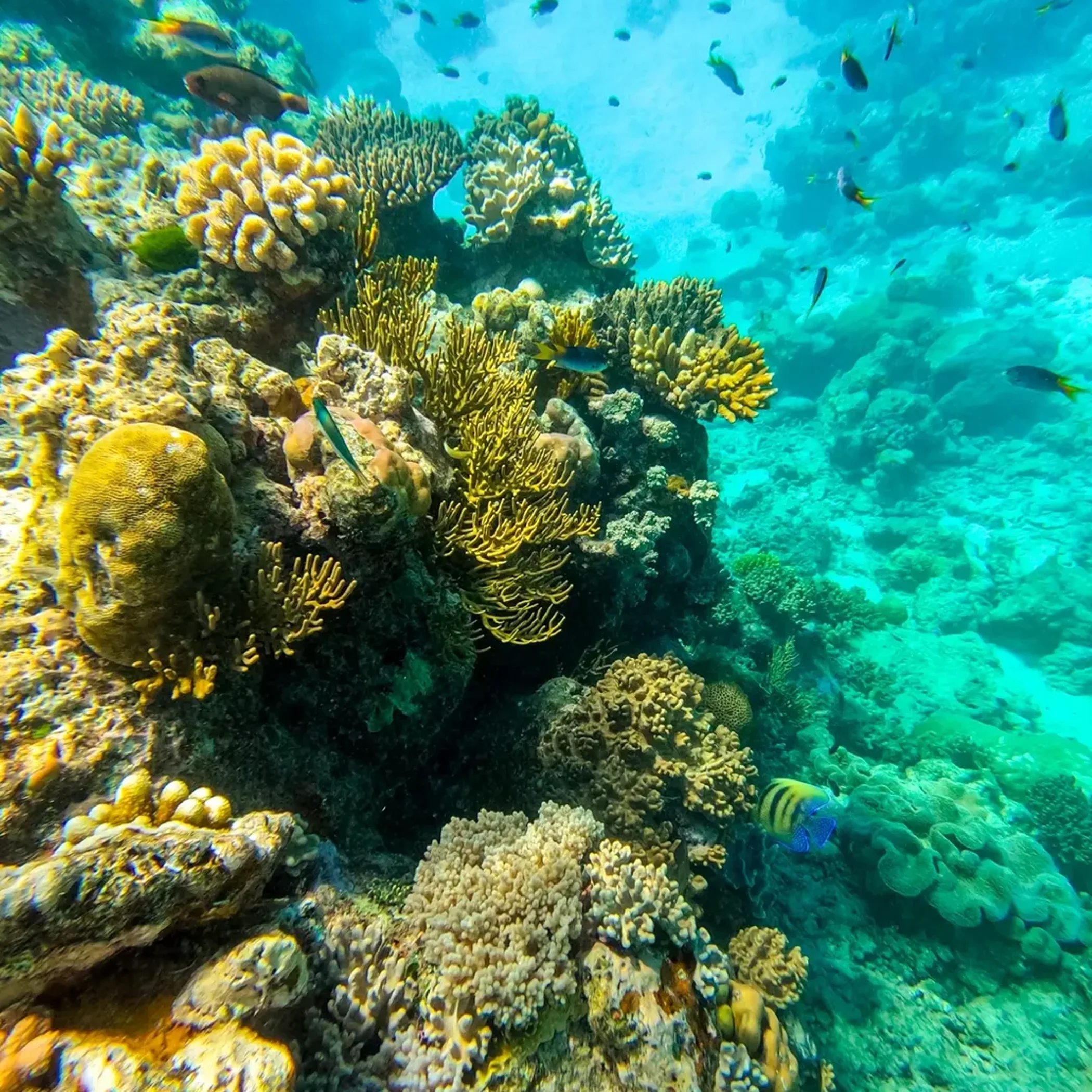
You should be thinking about safety before you are on the boat. Be frank with a licensed operator as to how you handle open water and any medical issues, and get the transfer details straight.
From Cairns and Port Douglas a trip to the outer reefs means hours from shore, strong sun and exposed decks on what can be lengthy transfers. It is something for a confident swimmer who does not fluster in moving water; less so for a nervous type, young children or those who cannot put a mask and snorkel to good use.
Choose The Right Departure
Outer barrier reef excursions are frequently run out of Cairns, Port Douglas will take you to more northerly reefs. But the town is not the only consideration, look at the vessel, the sea and the particular reef. Put some questions to them: where exactly is the boat headed, what is the transfer time like in these conditions, is there a more sheltered option should the forecast turn?
Do not forget to factor in time for loading the boat, the safety talk and fitting out your equipment. A day on a remote reef is more than a swim and lunch, it is also the business of putting a few dozen people on and off a vessel and dealing with any weather delays on the way back.
Match The Trip To You
Let the crew know if deep water makes you uneasy, you are on medication or simply not a strong swimmer. A buoyancy vest is useful but it will not make rough seas into a pool. When in doubt, go for an introductory site with lifeguards or a guided snorkel.
On a one-day visit, give the operator’s briefing your attention and be realistic in gauging your energy. Do not put in a hard morning’s work of swimming, forgo lunch and then put yourself to a long final snorkel because the reef is tempting. Your legs may not want to oblige by then, the reef is not going anywhere.
Weather, Tides And Sea Conditions
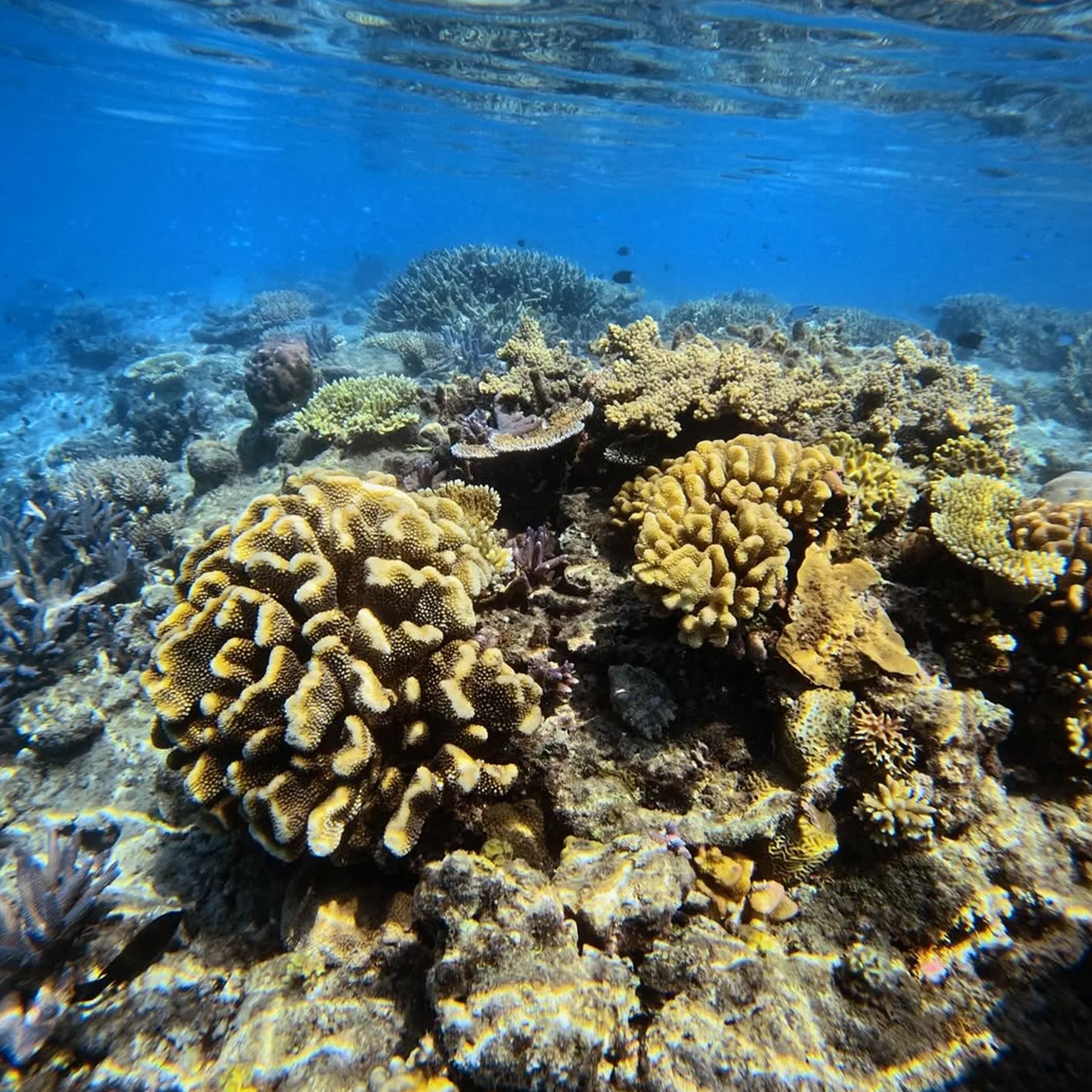
In a matter of minutes the wind, rain or a change in tides and currents can alter a reef entirely, dictating visibility and how fast a snorkeller might be put adrift. Have a look at the forecast to start with, but the crew will have their own read on things for the day. A blue sky is no assurance of a flat sea and rain does not of itself preclude a safe reef. What matters is if the conditions are right for the site and the people on board.
Be honest in reading the sea. Enquire as to the swell and current, the way you will be making entry. At some remote reefs you have to put in a short swim from the pontoon or boat, at others there is a ladder or platform. Tides are a factor for the boat and shallow coral, especially on an exposed edge or in a narrow passage.
Should the crew put a stop to a snorkel or insist everyone stays in, let it be. They are looking at the whole return journey with their equipment and experience, you are seeing a patch of water.
Cyclone Alerts
During the northern wet season a cyclone is a very real concern in Far North Queensland. If a tropical low or port restriction puts a spanner in the works for an operator they will cancel or change the plan. Consider it a sign the safety system is doing its job, not a holiday day gone to waste. Then again, do not book a connecting flight for the same day after a remote reef outing, leave some room in your itinerary. A spare night is to be preferred over a mad rush through the terminal with damp swimmers and an odd flip-flop in hand if the boat is held up by conditions.
The Right Safety Gear
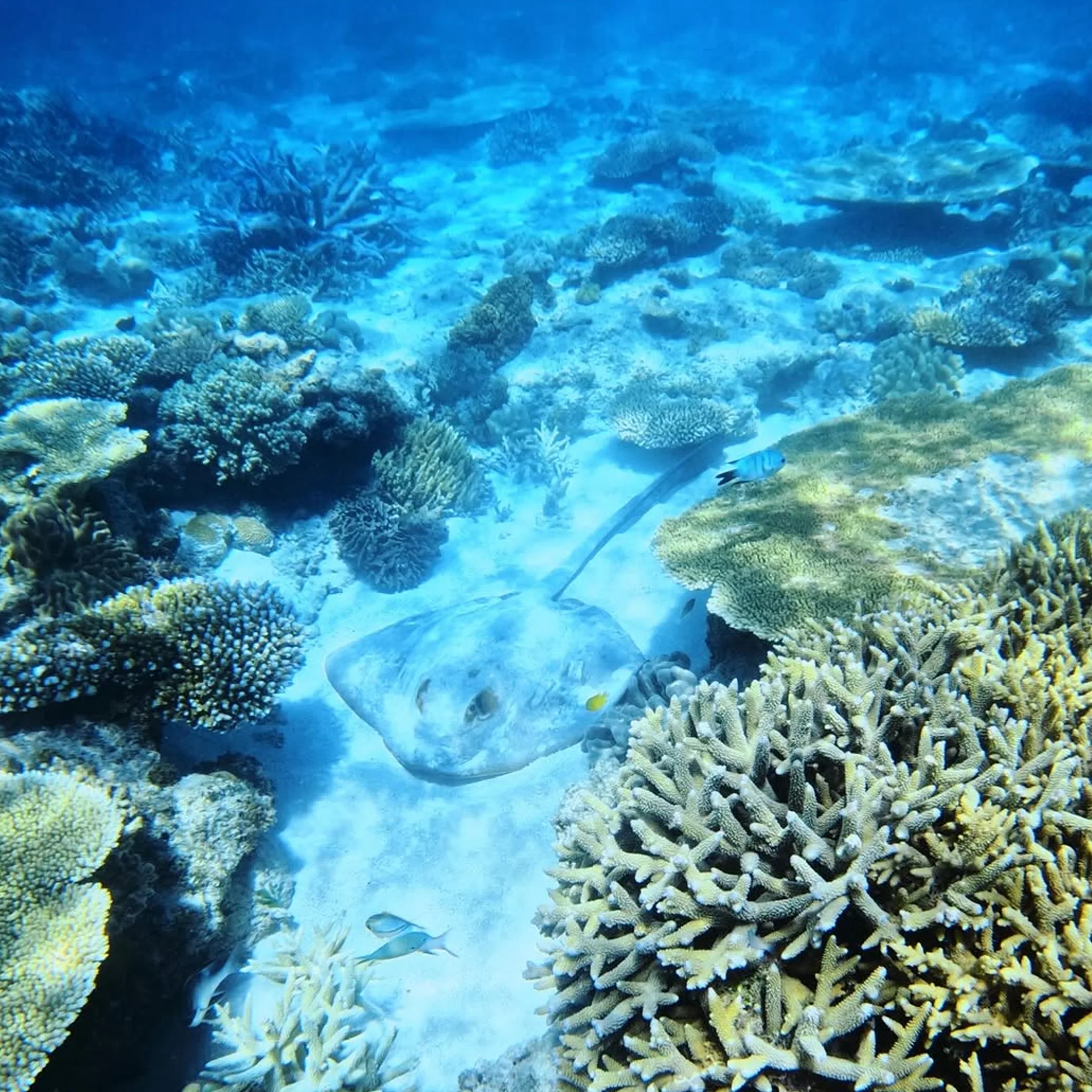
Good equipment is what gives you warmth, buoyancy and protection from the sun as well as making you more visible. But do not put form over fit; have the crew inspect each piece before you go in the water. An ill-fitting mask that will leak, or fins that chafe, can make a tiring affair of what should be a tranquil swim. Do not quietly put up with it in the name of honour, for small issues are how safety ones are made. Report any discomfort at once.
Protection In The Water
Put on your mask, snorkel and fins, making sure they are right for you. A buoyancy vest is advisable if you are no strong swimmer, or where it is called for. For defence against the sun, stingers and the odd scrape there is a rash vest or stinger suit.
In Far North Queensland and Cairns one has to be more circumspect in stinger season. The operator will have instructions on full-body suits, first aid and where to enter given the marine and weather conditions and where you are. A wetsuit does not render every contact harmless but it is a layer of protection worth having.
For Your Skin And Eyes
Apply reef-safe sunscreen to any skin left out, don a rash vest and make use of the shade on the boat. Reapply as you should. One can be taken unawares by light reflecting off the sea even under cloud. Have a hat for deck time, some drinking water and personal meds in something waterproof. The tropical sun is indifferent to whether breakfast was had and will leave you weak and slow to react with dehydration.
| Situation | Useful Preparation | What To Do |
|---|---|---|
| First-time snorkeller | A calm site, supervised entry and a buoyancy vest | Make sure to practise your breathing with the guide close by |
| Stinger season | Cover up with a stinger suit and abide by the operator’s rules | A sting must be reported at once |
| Wind or current running strong | Be conservative in your choice of site after an early briefing | Exit on instruction, staying in the marked zone |
| Reception is poor | Have your devices charged and an emergency plan | Use the vessel radio and its procedures, not your phone |
| Some equipment lets you down | The crew will have a spare mask or fins | Put a stop to it and let the guide know |
Make A Buddy Of It
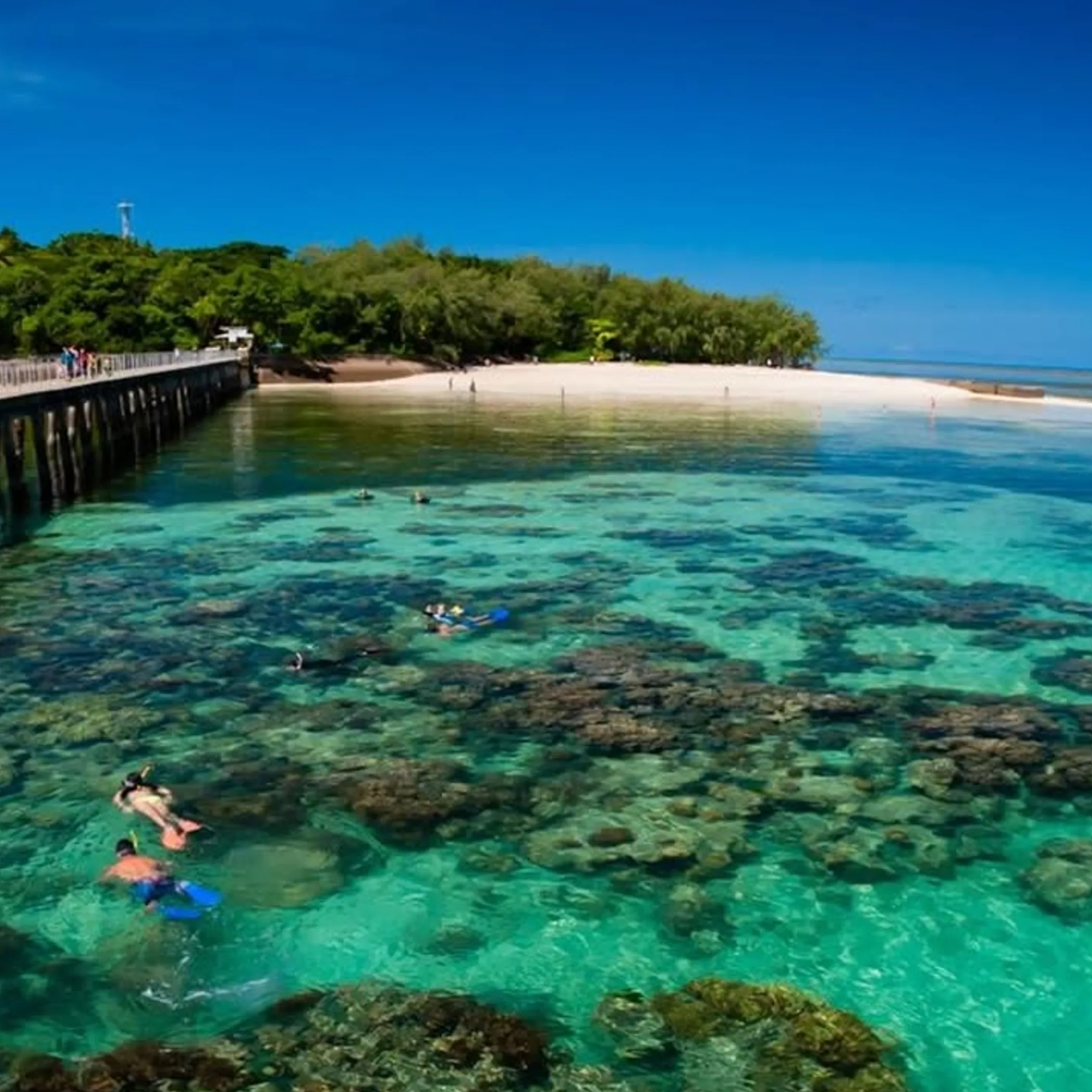
There is value in having another pair of eyes when you snorkel with someone, provided you are close enough to be of assistance. Settle on some basic signals such as “OK” or “I need help” prior to getting in. Do not count on the guide to be on top of every swimmer at all times; a group will disperse around a coral bommie or wherever the interest lies. Used as it should be, the buddy system is sound protection.
Know Your Limits
Keep the boat or pontoon in view and remain in the swimming area. There is no point in going past the boundary for a photo or after a turtle or fish. Currents have a way of taking you further than you think and marine life is not predictable. When you are tired your coordination and judgement suffer. If you are swallowing water, cannot keep pace with your buddy or your mask is flooding and you are in a panic, put in a call for help and get out.
Should you be in difficulty, put an arm up and make some noise to get the crew to you. There is no use expending energy to look composed. Early on the crew will have more to work with. And if you find yourself apart from the others, do not set off in some direction and put in a hard swim. Stop and signal the guide. The crew have their ways of dealing with a missing snorkeller and it is better to follow them.
Know Your Limits
Keep the boat or pontoon in view and remain in the swimming area. There is no point in going past the boundary for a photo or after a turtle or fish. Currents have a way of taking you further than you think and marine life is not predictable. When you are tired your coordination and judgement suffer. If you are swallowing water, cannot keep pace with your buddy or your mask is flooding and you are in a panic, put in a call for help and get out.
Use Clear Distress Signals
Should you be in difficulty, put an arm up and make some noise to get the crew to you. There is no use expending energy to look composed. Early on the crew will have more to work with. And if you find yourself apart from the others, do not set off in some direction and put in a hard swim. Stop and signal the guide. The crew have their ways of dealing with a missing snorkeller and it is better to follow them.
Remote Emergencies
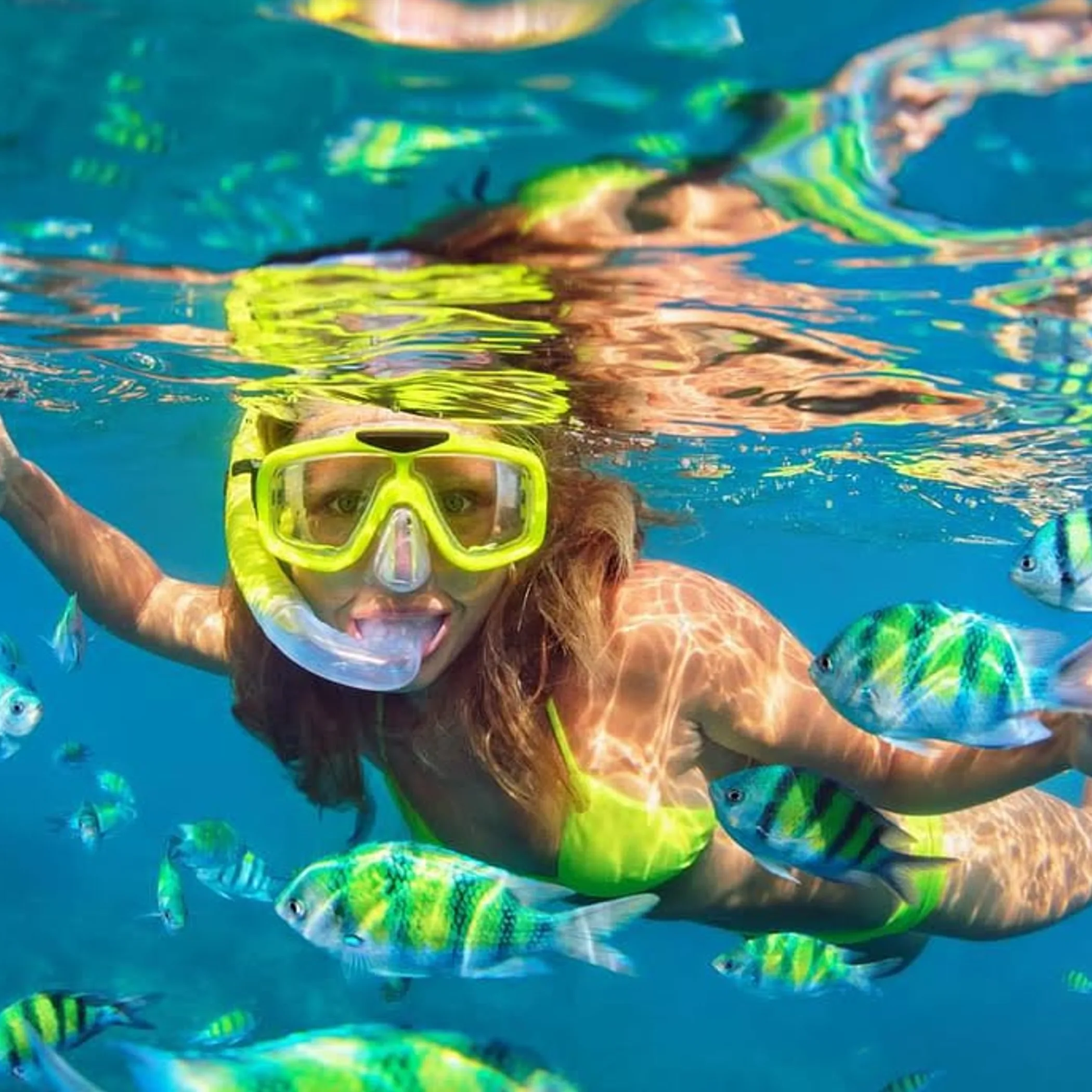
Out on the reef you may find your mobile is of little use for anything other than a picture. A proper operator will have the necessary marine comms and first aid on board, so ask about it ahead of time, all the more so if you are on a private vessel of a certain size or heading to somewhere isolated.
The emergency kit for snorkelling will have the likes of a marine radio, oxygen equipment, an EPIRB, GPS and flares. You may find a satellite messenger or some other means of communication on certain vessels. As with any operation, what is on hand is at the discretion of the vessel; put it to the skipper or his crew to be made aware of the process.
Know The Emergency Equipment
The emergency kit for snorkelling will have the likes of a marine radio, first aid and oxygen equipment, an EPIRB, GPS and flares. You may find a satellite messenger or some other means of communication on certain vessels. As with any operation, what is on hand is at the discretion of the vessel; put it to the skipper or his crew to be made aware of the process.
Those making their own way on a well appointed vessel should see for themselves that the EPIRB has been tested per the manufacturer and is in good order and registered. While a satellite messenger is a useful extra, it is no substitute for a responsible skipper, a float plan or the vessel’s radio.
A Simple Float Plan
Put someone on shore in the picture as to your destination, the vessel and operator you are with and your time of return. Give them the name of the vessel, where you are putting out from, say Cairns or Port Douglas, and the reef you are heading for so long as you know it. Should anything alter, let the person in possession of those details know.
On a private outing one would do well to log the route by GPS and have the right navigation gear. The skipper can make use of a depth sounder to get a read on the contours below, but that does not do away with the need for charts, a head for the weather and local knowledge.
If in doubt over zoning, rules of the park or how to go about using the reef responsibly, the Great Barrier Reef Marine Park Authority is the source. GBRMPA is in charge of the park and its pronouncements will trump whatever an old travel forum or a bloke with too much confidence at the pub might say.
Stingers And Other Marine Life
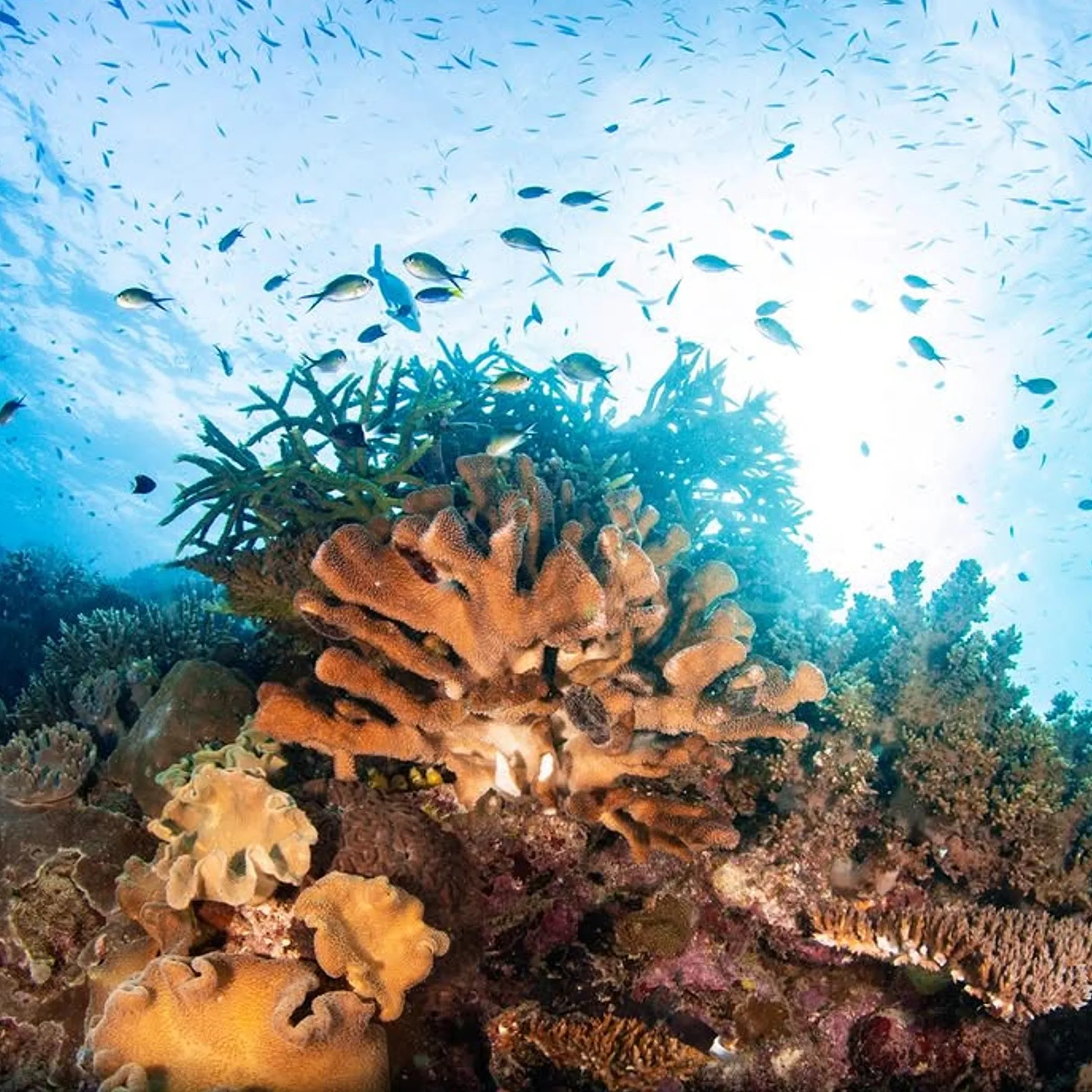
For the most part there is no trouble with marine life provided swimmers leave the animals be. The rule is to look and not to touch, feed or impede them.
In these tropical waters stingers warrant caution. A sting calls for an immediate exit from the water and you must report to the crew for first aid. Do not put off reporting symptoms because the mark is small and do not rub it.
Coral Safety
It is ill advised to stand on coral even in shallow water; it will cut and a reef is slow to put right. Fins should be kept off the bottom, neutral buoyancy observed and a flotation aid used to steady oneself instead of holding on to the coral. Good buoyancy and covered skin with reef-safe sunscreen go a long way to protect the reef as much as you. There is no point in taking shells or marine animals either, the Great Barrier Reef is a protected park, not a place to pick up free souvenirs.
Sharks And Crocs
One should be croc-wise in Far North Queensland. Saltwater crocodiles tend to be found in estuaries and wetlands rather than the offshore reefs, but heed local counsel. Do not swim where rangers or the authorities have put up a bar.
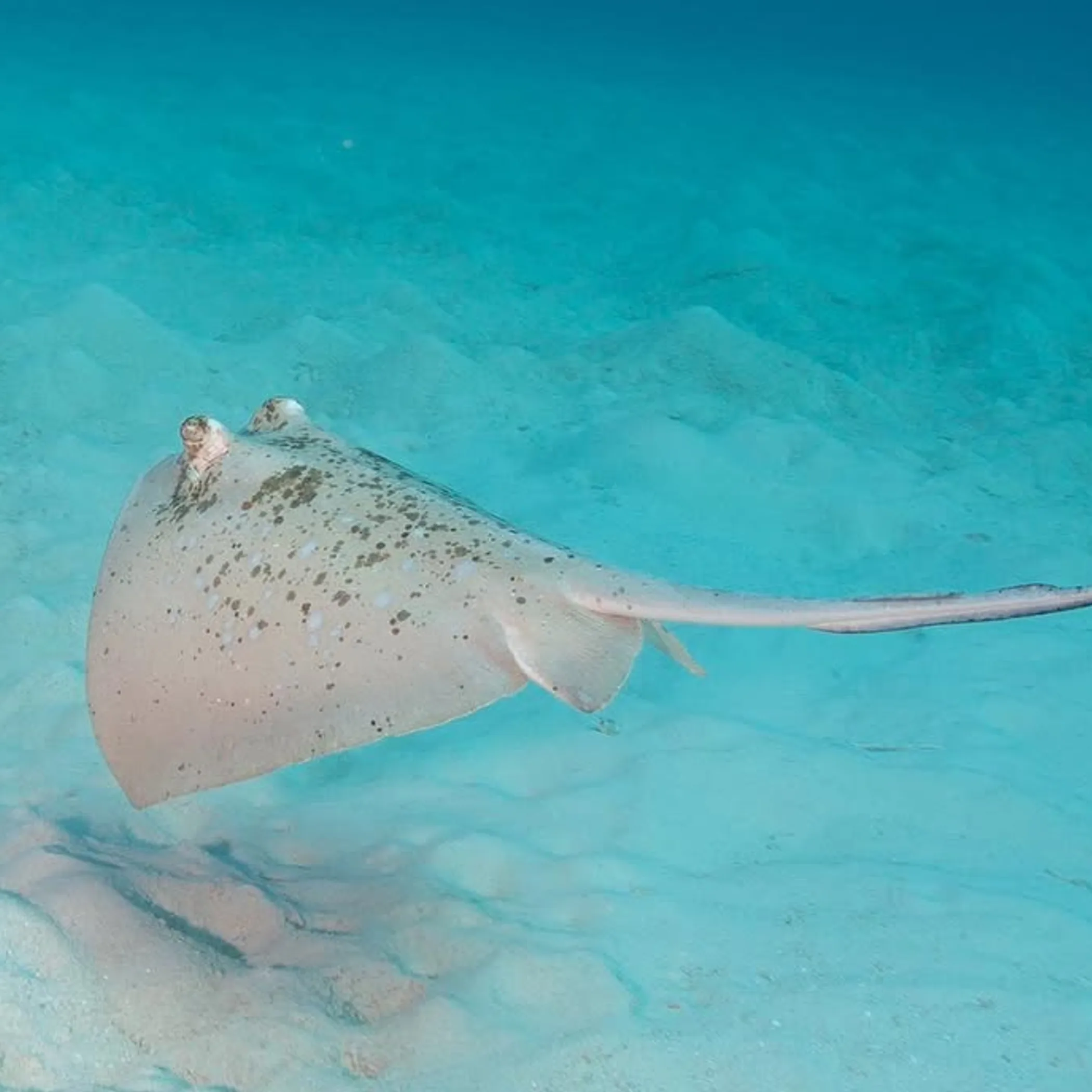
As for sharks, they are there. Leave them alone and do not make an issue of it. If one is spotted the crew will tell you what to do. There is no call for panic and the decisions that follow; stay calm and if you can keep the animal in sight, make for the boat or wherever you are told to go.
Boat Safety
You have been on a dozen reef trips perhaps, but the briefing is where boat safety starts. Take in the instructions as to where you are to wait prior to going into the water and on such matters as life jackets, ladders, handrails, exits and muster points.
While about the vessel make use of the rails for support, put away any loose items and do not impede the walkways. Decks on a boat have a way of being slippery; one does not need wet feet to discover an awkward step that was overlooked until now.
Reef-Safe Practices
Stick to the moorings, platforms and entry points provided. There is no place for dropping an anchor on coral or dragging your fins and cameras over the reef. Let the marine life be and see to it that rubbish is returned to the vessel.
The boat back will not be the same as the morning run. The sea can get up a bit, there may be more wind and passengers will be fatigued. Make use of handholds and take your seat as directed. Should you feel under the weather, say something to the crew. Seasickness is easily dealt with if you report it at the first sign.
FAQ: Remote Reef Safety
Travellers to the remote reefs of Far North Queensland tend to have a few questions. Here are some short and practical answers, though one should be guided by what the local authorities and your operator have to say.
Has Anyone Died Snorkelling The Great Barrier Reef?
There have been fatalities in marine environments, even in the course of recreation, but a headline is no guide to the risk you will face on your trip. That is a matter of the operator’s procedures, the weather and currents, whether you are medically fit and a good swimmer and the level of supervision. Be open about any health issues and give the briefing your attention; if it does not seem right, get out of the water.
Cairns Or Port Douglas?
One is not inherently better or safer than the other. They have their own vessels, operators and reef sites. Do not let the town be the deciding factor, look at the access arrangements, the equipment, transfer time and weather policy of the particular itinerary.
Stinger Season In Cairns?
The warmer months bring a greater risk of stingers but they are not confined to the calendar. Conditions are local, so when you snorkel put on the protection and heed the operator.
Where To Find The Best Snorkelling In Queensland?
It is down to the experience you want and the state of the reef and weather. For a novice a site with some supervision and calm waters is preferable to an outer reef with a strong current. An operator in Cairns or Port Douglas can point you to a site that suits your abilities.
Are Remote Reefs Open To Beginners?
Provided there is a calm entry and the right buoyancy gear and supervision, yes. But beginners would do well to stay within the marked off areas and not consider a flotation vest an excuse to disregard what you are told, nor go for a long independent snorkel.
Safety First
A traveller to the remote reefs is one who is prepared and has some respect for his limits and the elements. It is simple enough: pick a responsible operator, know how help will come to you, check the conditions, have a buddy and do not harm the coral.
In a practical sense that is what safety on the Great Barrier Reef comes down to. Put in the planning and do not make a show of it for the fish. I have found in my years in tourism that a day is best when there is no drama to tell and all are left to discuss the reef at dinner, sun-safe and tired.
